Default Mode Network & Tryptamine Influence
How Tryptamines Disrupt the Brain's Self-Referential Processing System
Your brain has a storytelling engine. It runs on autopilot during daydreaming, self-reflection, and rumination – neuroscientists call it the Default Mode Network (DMN). Tryptamines hit it hard. Neuroimaging studies consistently show that 5-HT2A agonists reduce DMN connectivity and activity, lining up with reports of dissolved ego boundaries and quieter repetitive thinking. This disruption likely sits at the heart of both the acute experience and the lasting therapeutic effects.
Table of Contents
- Loading...
What Is the Default Mode Network?
The DMN connects several brain regions that fire together during rest and introspection: the medial prefrontal cortex (mPFC), posterior cingulate cortex (PCC), inferior parietal lobule, and medial temporal lobe structures. Raichle et al. identified it in 2001. It lights up during self-referential thinking, autobiographical memory, future planning, and social cognition – what researchers call the brain's "narrative self."
Here's where it gets clinical. In depression, anxiety, and OCD, the DMN often locks into hyperconnectivity – too much coupling between its nodes, too rigidly maintained. That correlates with rumination, self-focus that won't quit, stuck thought patterns. A 2020 meta-analysis found DMN hyperconnectivity in approximately 60-70% of treatment-resistant depression patients. The network telling your story gets stuck on repeat.
How Tryptamines Affect the DMN
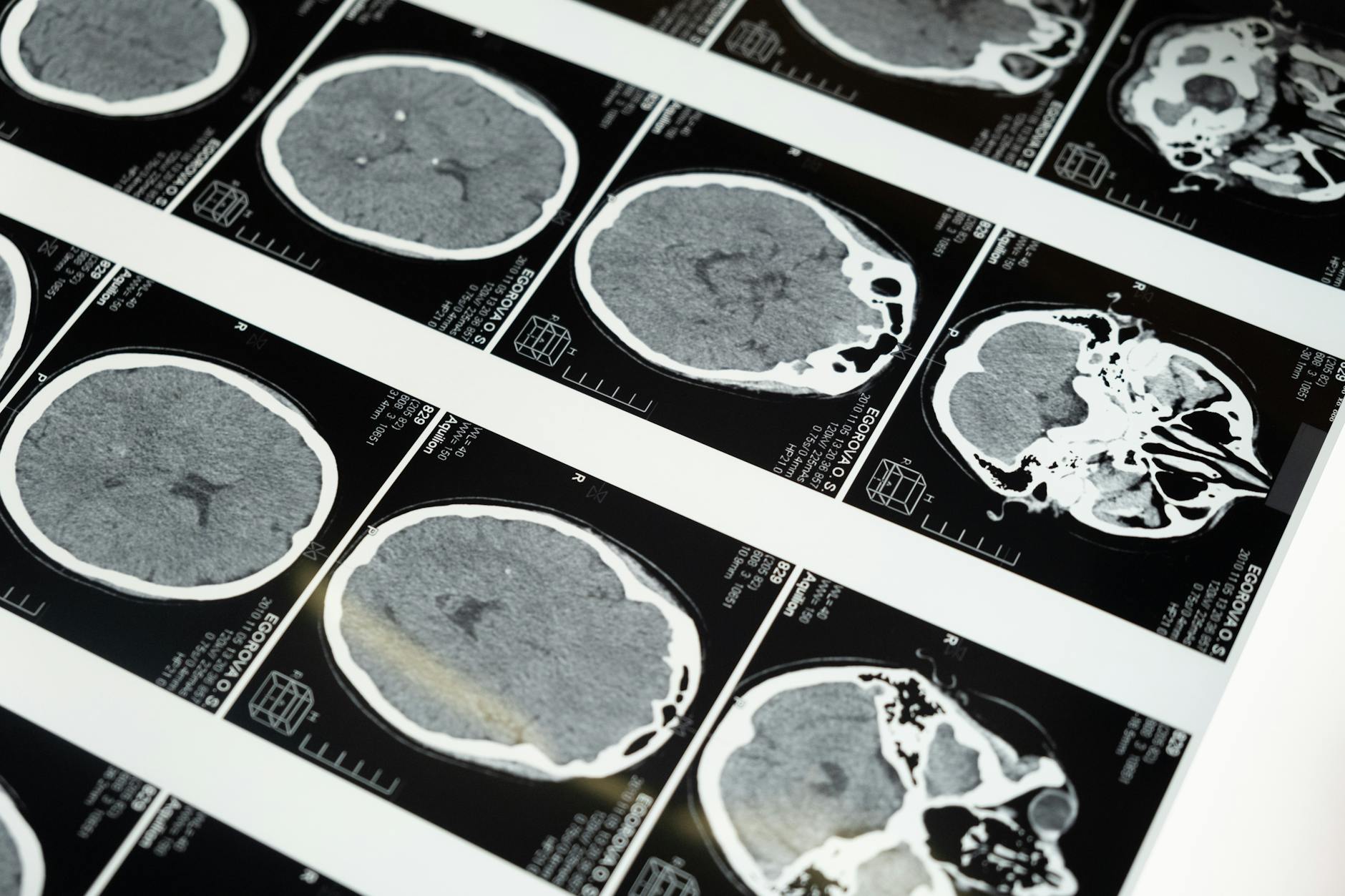
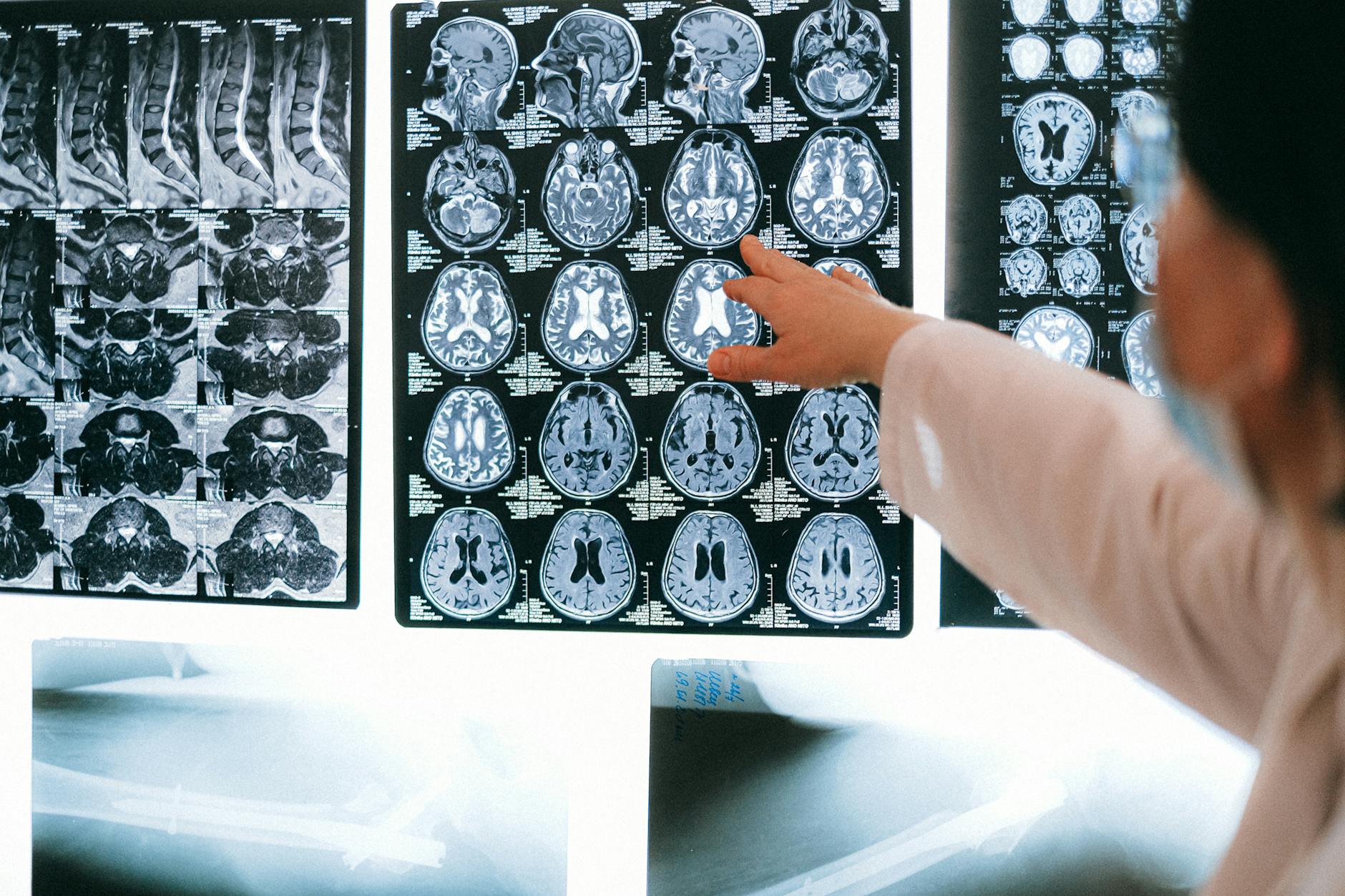
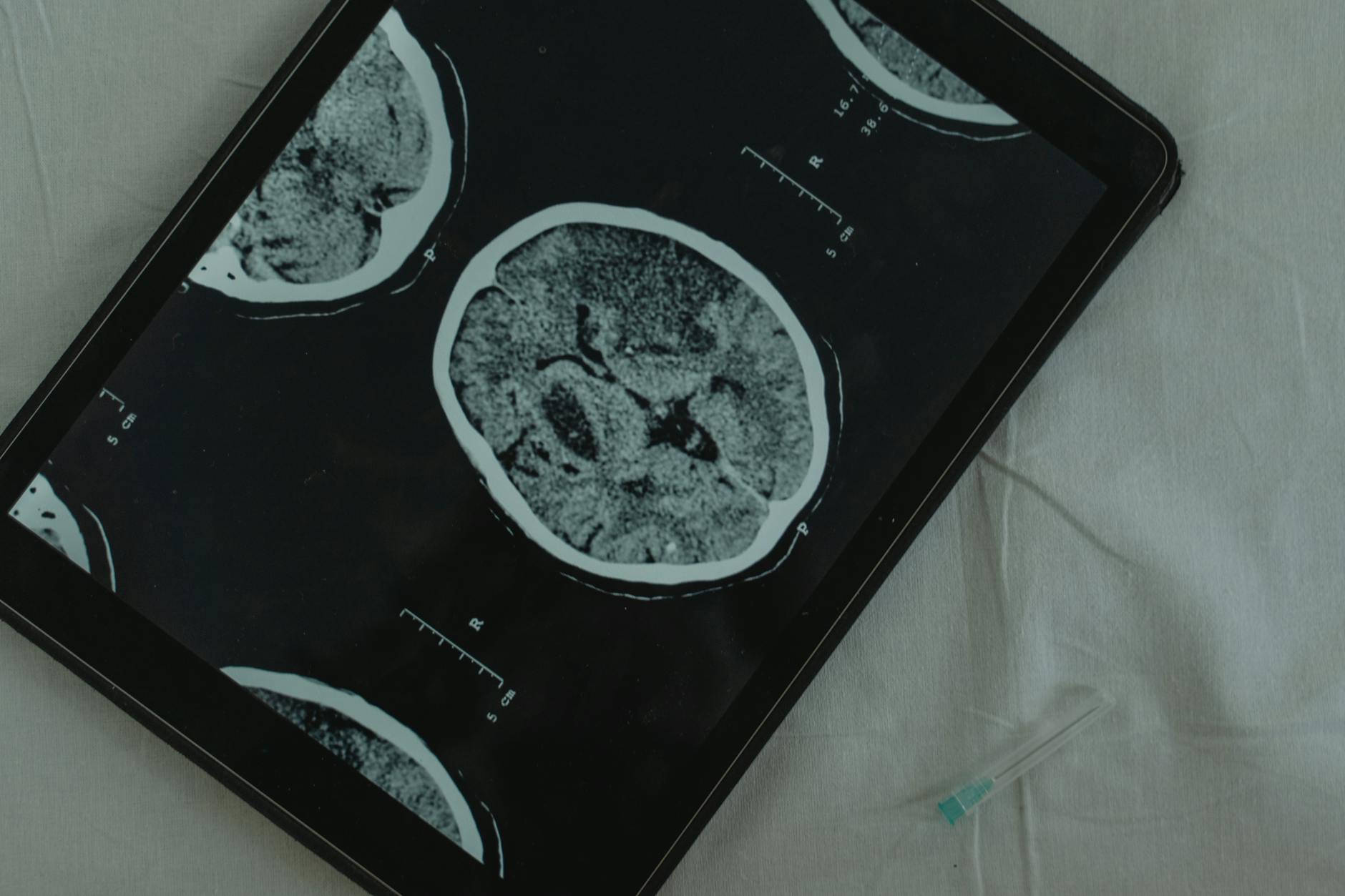
fMRI and MEG studies tell a consistent story: 5-HT2A agonists – psilocybin, LSD, DMT – reduce DMN connectivity in a dose-dependent way. Carhart-Harris et al. (2012) published the landmark fMRI study showing psilocybin significantly decreases mPFC and PCC blood flow and connectivity. The bigger the DMN disruption, the stronger the ego dissolution reports. Direct correlation.
What's happening mechanistically? 5-HT2A activation on layer V pyramidal neurons in the PFC and PCC breaks apart synchronized oscillatory patterns – particularly alpha waves – that hold DMN coherence together. Once that coherence collapses, the brain shifts into higher entropy: more random activity, fewer constraints. People describe expanded awareness, loosened self-boundaries, fresh thought patterns. It's the opposite of being stuck.
With 4-Pro-MET, the MET-series pattern of "clearer headspace" might point to less complete DMN disruption than DMT-series compounds like psilocybin. The preserved ego function and social capacity could reflect partial rather than full DMN decoherence – but nobody's put this under a scanner yet.
Legal Notice
Dies ist ein Beispiel-Infotext. Hier können Sie wichtige Hinweise für Ihre Leser hinterlegen.
Lab-Tested 4-Pro-MET
Quality-verified – CoA included – EU shipping
Frequently Asked Questions
The DMN is a set of interconnected brain regions (mPFC, PCC, IPL, MTL) active during self-referential thought, mind-wandering, and rumination. It functions as the brain's 'narrative self' system. Hyperconnectivity in the DMN is associated with depression, anxiety, and rigid thought patterns.
5-HT2A agonists reduce DMN connectivity and activity. Carhart-Harris et al. (2012) showed that psilocybin significantly decreases mPFC and PCC blood flow and connectivity, with the magnitude of disruption correlating directly with ego dissolution reports.
The leading hypothesis is yes. By temporarily disrupting rigid DMN patterns, tryptamines may create a window of increased neural flexibility in which new patterns of thought and behavior can be established. This aligns with the observation that therapeutic benefits outlast the acute pharmacological effects.
No imaging studies exist for 4-Pro-MET. The MET-series 'clearer headspace' may reflect less complete DMN disruption compared to DMT-series compounds, but this is speculative. Community reports of preserved ego function and social capacity are consistent with partial rather than full DMN decoherence.
Whether sub-perceptual doses produce meaningful DMN changes is unknown. Some researchers hypothesize that microdoses may produce subtle DMN modulation without full decoherence, potentially reducing rumination without triggering ego dissolution. This remains an unconfirmed theoretical proposition.
Recent Posts
-
 07.05.2026
 -
-
-

-
x
Please sign in to write a comment.
More from “Research & Consciousness”
Neuroplasticity & Tryptamines: Current Research Models
05.05.2026From Albert Hofmann to 4-Pro-MET: History of Tryptamine Research
03.05.20264-Pro-MET Experience Reports: Research Documentation
01.05.2026Serotonin, Seasonal Mood & Tryptamine Research
29.04.2026
4-Pro-MET Emotional Profile & Empathy Research
27.04.2026
4-Pro-MET Chemical Structure & Synthesis: A Beginner's Guide
15.04.2026Latest Articles

All Legal Tryptamines 2026: Comparison Table
25.04.2026
4-Pro-MET vs 4-AcO-DMT: Cross-Substance Comparison
23.04.2026
4-Pro-MET vs 4-AcO-MET: Prodrug Comparison Guide
21.04.2026
4-Pro-MET vs Psilocybin: Synthetic vs Natural Compared
19.04.2026
4-Pro-MET Legal Status 2026: BtMG, NpSG & International Overview
12.04.2026