Serotonin, Seasonal Mood & Tryptamines
The Connection Between Serotonin Cycles, Seasonal Mood Changes & Tryptamine Research
Brain serotonin levels rise and fall with the seasons. Winter hits hardest – less sunlight, less serotonin. This deficit drives seasonal affective disorder (SAD), affecting approximately 5% of adults in northern latitudes. Here's what makes it relevant: tryptamines are serotonin receptor agonists. They interact directly with the same neurotransmitter system that governs seasonal mood. And that connection is drawing real scientific attention.
Table of Contents
- Loading...
Seasonal Serotonin Fluctuations
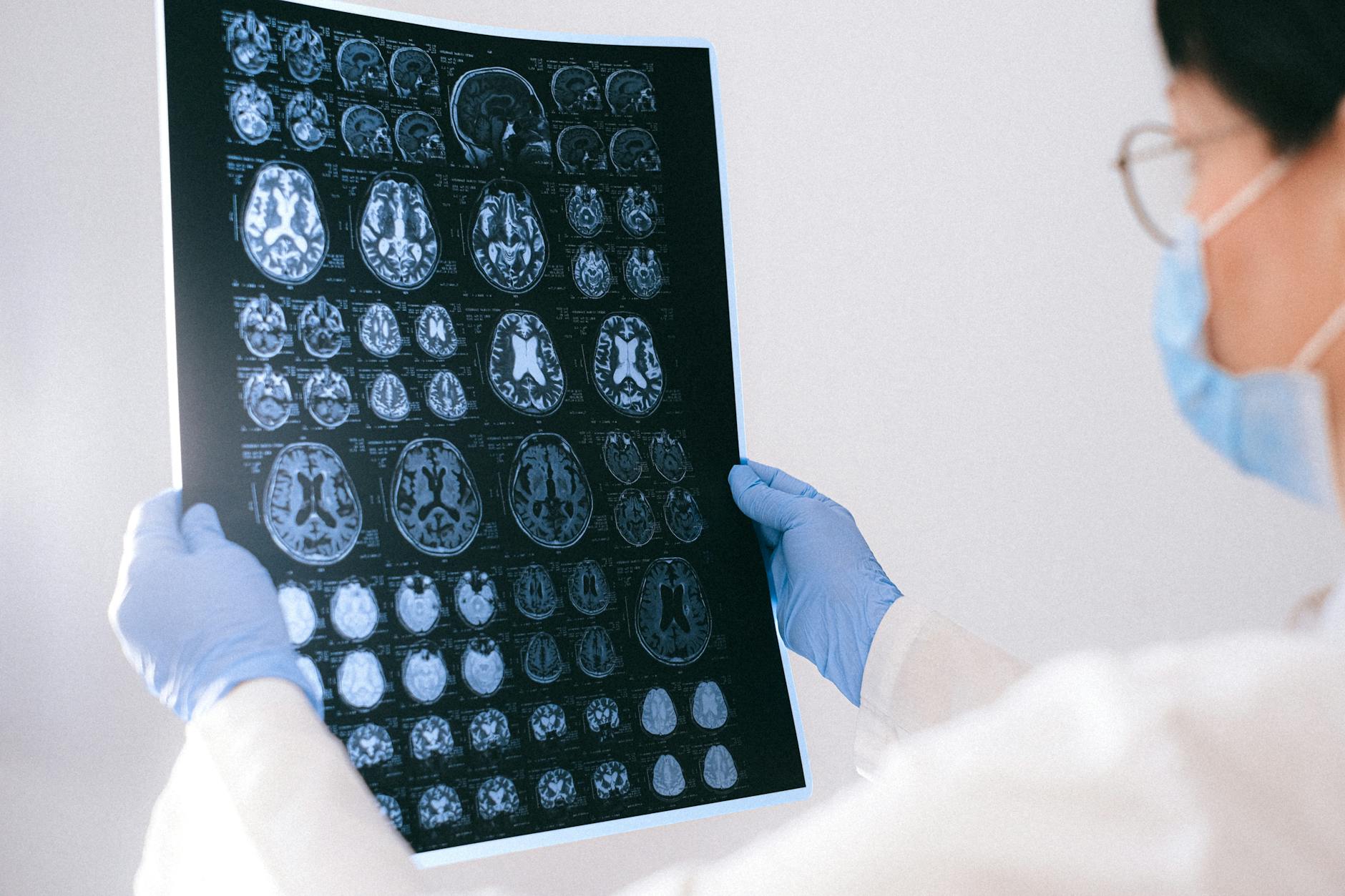
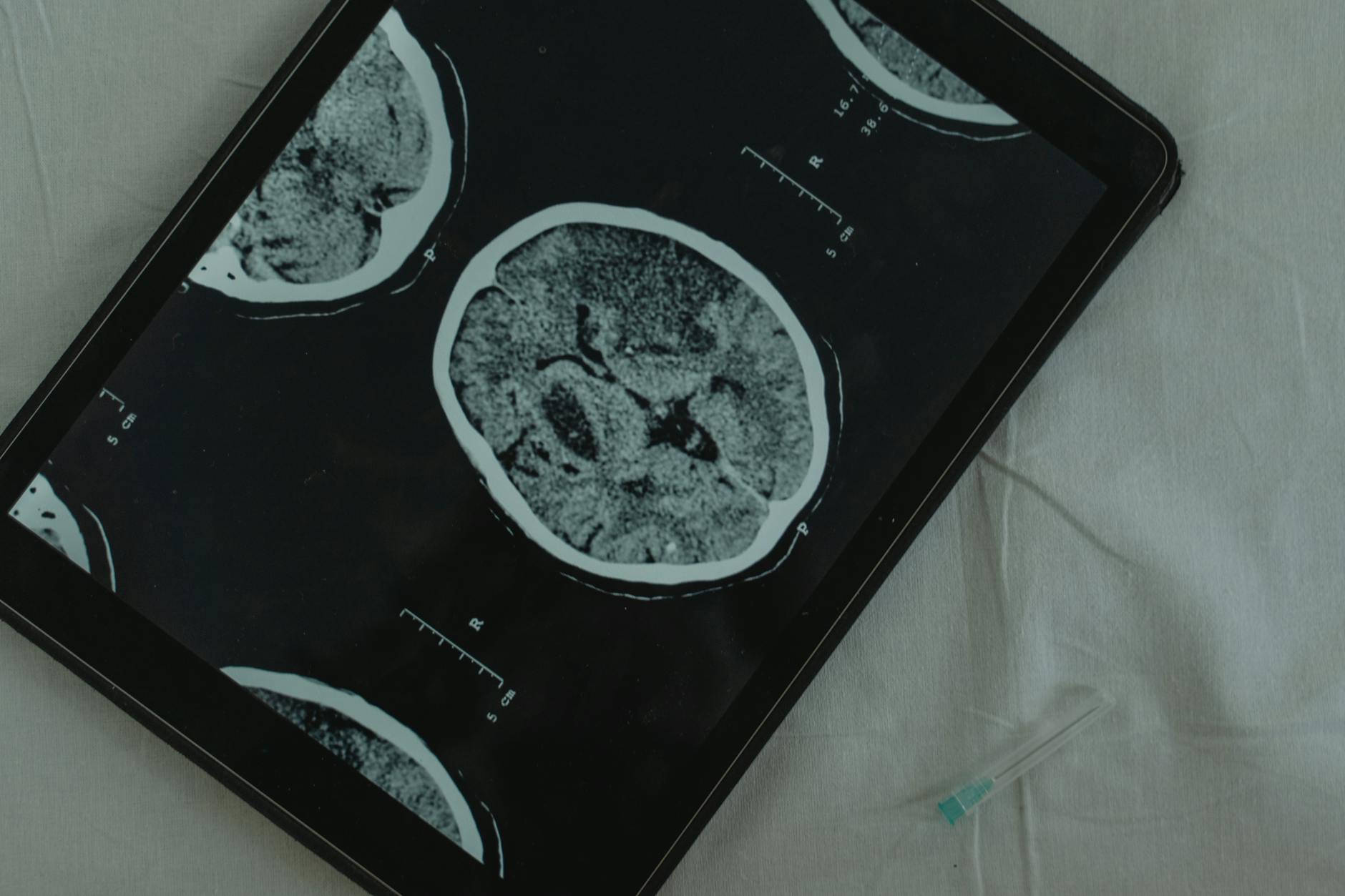
The mechanism is straightforward. Light enters the retina and signals the suprachiasmatic nucleus (SCN), which regulates serotonin synthesis in the raphe nuclei. Less light, less serotonin. PET imaging by Praschak-Rieder et al. (2008) put a number on it: 5-HTT (serotonin transporter) binding potential swings by approximately 40% between summer and winter. That higher transporter activity in winter effectively vacuums serotonin out of the synapse.
Geography tells its own story. Approximately 5% of the US population experiences clinical SAD – but prevalence tracks latitude: approximately 1% in Florida vs. 9% in Alaska. In Scandinavia, estimates reach 10-20%. Reduced winter sunlight leads to lower serotonin synthesis and higher transporter activity, creating a functional deficit in the circuits that regulate mood.
Tryptamine Research in the Context of Serotonin Deficiency
Tryptamines interact with the same serotonin receptor system behind seasonal mood. As direct 5-HT2A agonists, they skip the synthesis and release pathways that winter compromises. They hit the receptors directly – the same ones endogenous serotonin would normally activate.
A 2023 study in Journal of Affective Disorders tested psilocybin for treatment-resistant depression (which shares neurobiological overlap with SAD) and found sustained mood improvements lasting 3-6 months after just two sessions. Nobody's specifically examined tryptamines for SAD yet. But the shared serotonergic mechanisms and the psilocybin-depression evidence point toward a plausible research direction.
And the community data hints at something. Microdosing reports from higher-latitude regions – Scandinavia, northern Germany, Canada – mention improved mood stability during winter. A 2024 survey of 1,200 microdosers found that 42% of respondents in northern latitudes reported starting or increasing microdosing during autumn/winter months. That's a self-selected pattern, though it could reflect motivations beyond mood regulation alone.
Legal Notice
Dies ist ein Beispiel-Infotext. Hier können Sie wichtige Hinweise für Ihre Leser hinterlegen.
Lab-Tested 4-Pro-MET
Quality-verified – CoA included – EU shipping
Frequently Asked Questions
Serotonin synthesis is directly linked to sunlight exposure. Winter months reduce sunlight, lowering brain serotonin production while increasing serotonin transporter activity. This creates a functional serotonin deficit in mood circuits, contributing to seasonal affective disorder (SAD), which affects approximately 5% of adults in northern latitudes.
This is an area of theoretical interest but no clinical data exist. Tryptamines are direct serotonin receptor agonists, bypassing the synthesis pathway that is compromised in winter. Psilocybin clinical trials show sustained mood improvements for depression, which shares neurobiological overlap with SAD. Specific tryptamine-SAD research has not been conducted.
A 2024 survey of 1,200 microdosers found 42% of respondents in northern latitudes reported starting or increasing microdosing during autumn/winter. This suggests a self-selected seasonal pattern, though the reasons may be complex and the data are observational.
Tryptophan is the essential amino acid precursor to serotonin. The enzyme tryptophan hydroxylase (TPH) converts it to 5-HTP, which becomes serotonin. Sunlight exposure increases TPH activity. In winter, reduced light means less efficient tryptophan-to-serotonin conversion, even with adequate dietary tryptophan.
Vitamin D, primarily synthesized through sun exposure, regulates TPH2 gene expression in the brain. Winter vitamin D deficiency may compound the serotonin deficit. Whether vitamin D status affects tryptamine response is unknown, but the shared sunlight-serotonin-mood axis makes it a plausible research question.
Recent Posts
x
Please sign in to write a comment.
More from “Research & Consciousness”
The Propionoxy Group: Stability Advantages in Tryptamine Chemistry
24.06.2026
How 4-Pro-MET Was Discovered: From Synthesis to Market
13.05.2026
Tryptamine Studies 2025/2026: Current Pharmacology Data
11.05.2026
Meditation & Tryptamines: Synergies in Research
09.05.2026
Default Mode Network & Tryptamine Influence
07.05.2026
Neuroplasticity & Tryptamines: Current Research Models
05.05.2026Latest Articles

4-Pro-MET vs 4-HO-MET: Prodrug vs Original Compared
02.07.2026
Set and Setting: Framework for Safe Tryptamine Research
30.06.2026
Ordering Research Chemicals Safely: Quality Guide
28.06.2026
Tryptamine Storage & Shelf Life: Complete Guide
26.06.2026
Toxicological Profiles of 4-Substituted Tryptamines
22.06.2026