Default Mode Network & Tryptamine Influence
How Tryptamines Disrupt the Brain's Self-Referential Processing System
Marzysz na jawie, rozmyślasz o jutrzejszym dniu, myślisz o sobie – a podczas tego pewna sieć mózgowa pracuje pełną parą: Default Mode Network (DMN). Serotoninergiczne tryptaminy, takie jak psylocyna, mierzalnie tłumią aktywność DMN. Ma to bezpośredni związek z doświadczeniem psychedelicznym i efektami terapeutycznymi. Czym jest DMN, jak zmieniają je tryptaminy i dlaczego może to być istotne dla 4-Pro-MET?
Spis Treści
- Ładowanie...
Czym Jest Sieć Domyślna Mózgu?
Marcus Raichle (Washington University) odkrył DMN w 2001 roku. Sieć, która uruchamia się właśnie wtedy, gdy nic konkretnego nie robisz – bez zadania, bez skupienia, w trybie spoczynkowym. Główne regiony:
- Przyśrodkowa kora przedczołowa (mPFC): Myślenie autoreferencyjne, osobowość, poznanie społeczne
- Tylna kora obręczy (PCC): Pamięć autobiograficzna, wewnętrzny fokus
- Przedklinek: Samopostrzeganie, świadomość
- Boczna kora skroniowa: Pamięć semantyczna, przetwarzanie narracyjne
Niektórzy nazywają ją 'siecią jaźni'. Kim jestem? Co zrobię jutro? Co inni myślą o mnie? Przy wszystkich tych pytaniach DMN jest aktywne – ok. 60–80% spoczynkowej aktywności mózgu u zdrowych dorosłych. A u osób z depresją? Nadaktywne. Myśli krążą w kółko, wciąż te same pętle – ruminacja. Zafiksowane myślenie, odczuwane jak beton.
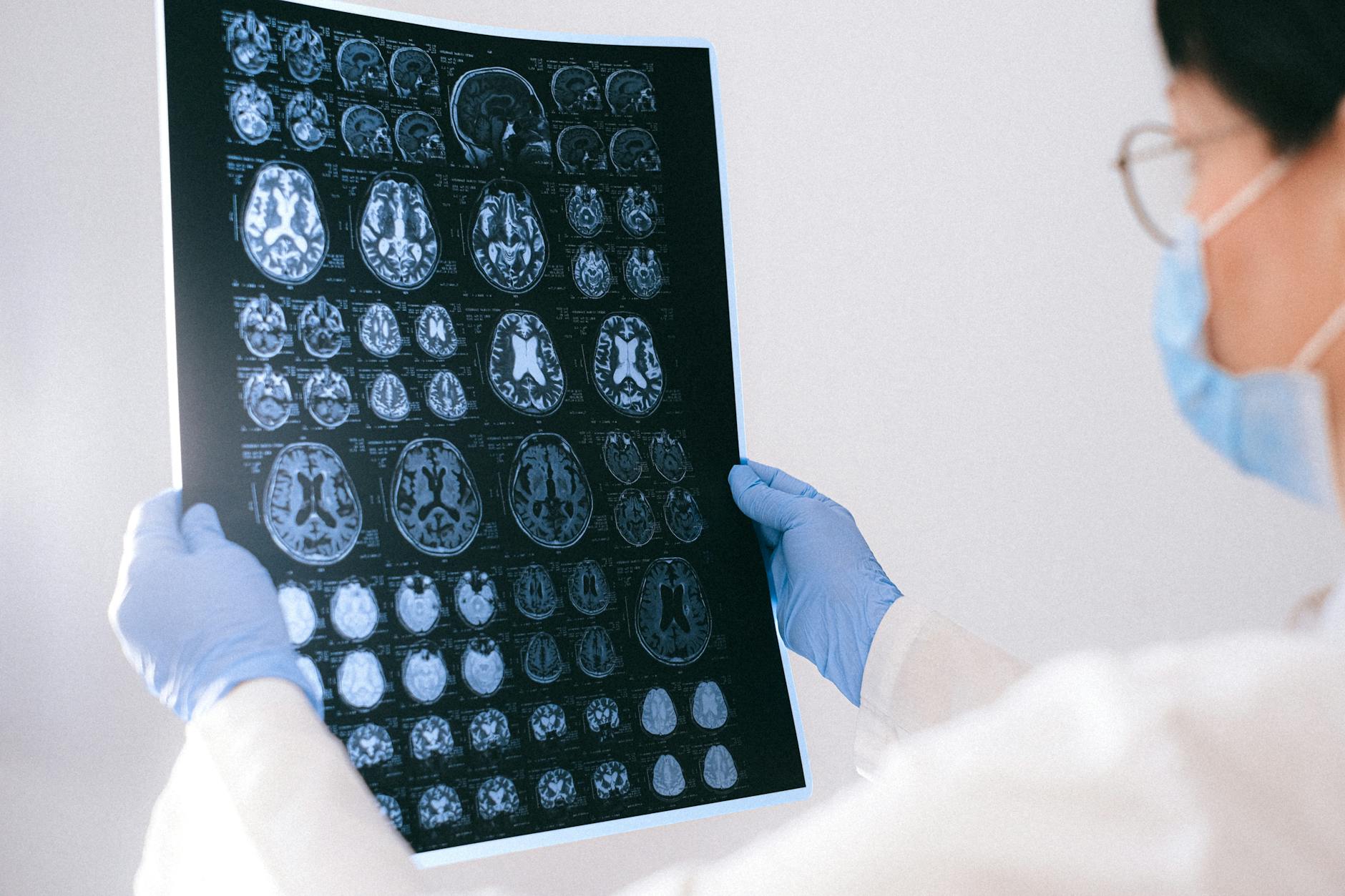
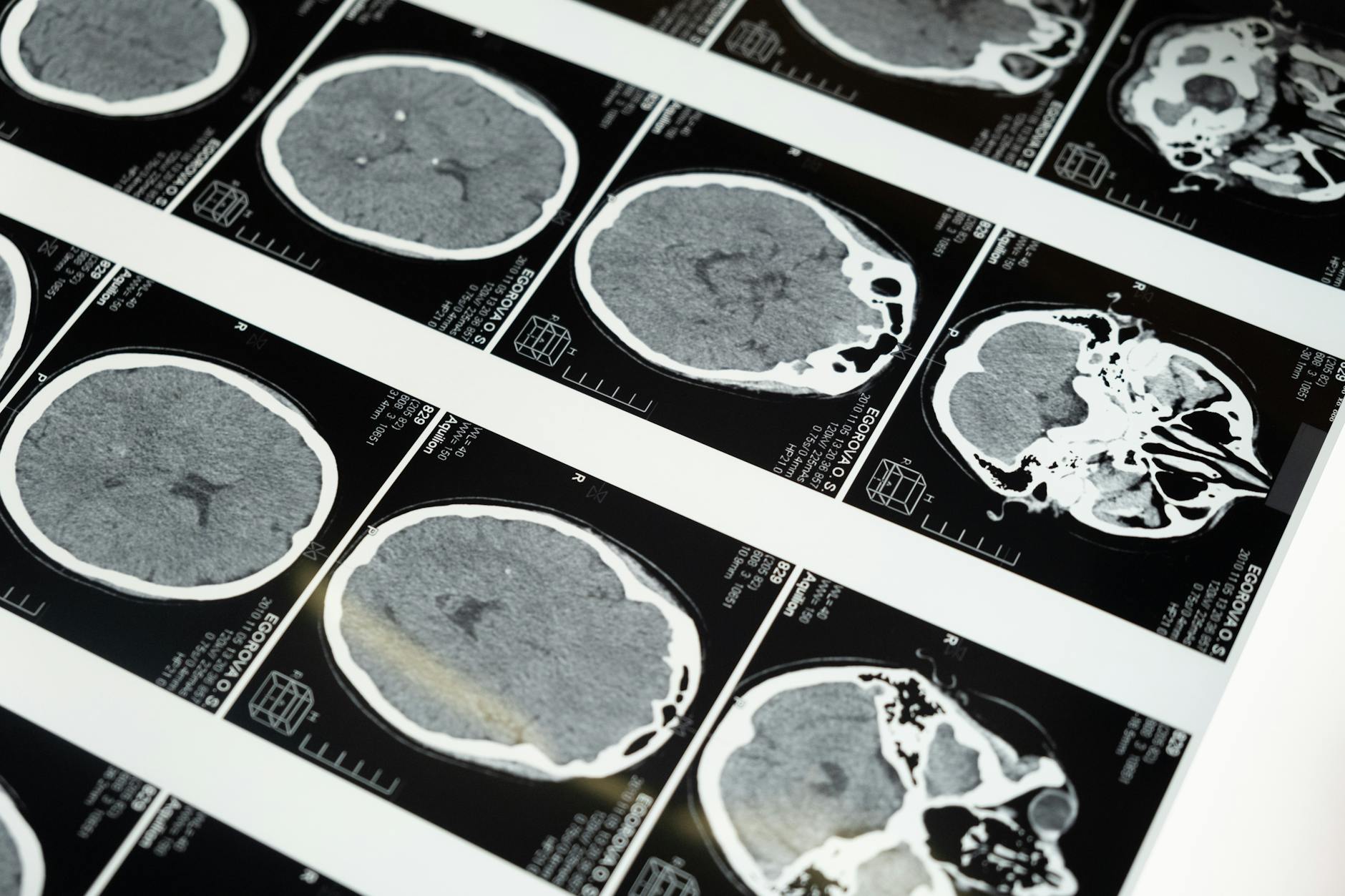
<p style='font-size:1.05rem;color:#444;line-height:1.8;'>Przełomowe badania wyszły z Imperial College London – Robin Carhart-Harris i jego zespół, od 2012 roku. Za pomocą fMRI uczynili widocznym to, co psychedeliki zmieniają w mózgu.</p><h3>Psylocybina a dezintegracja DMN</h3><p style='font-size:1.05rem;color:#444;line-height:1.8;'>Pod wpływem psylocybiny (psylocyny jako aktywnego metabolitu) łączność DMN uległa załamaniu. mPFC i PCC rozsprzęgły się – dwa regiony, które normalnie strzelają synchronicznie, nagle zaczęły rozchodzić się. Jednocześnie wzrosła łączność między sieciami, które normalnie pracują oddzielnie. Więcej chaosu, więcej połączeń. Badacze nazywają to 'wzrostem entropii'.</p><h3>Hipoteza REBUS (Carhart-Harris, 2019)</h3><p style='font-size:1.05rem;color:#444;line-height:1.8;'>REBUS oznacza 'Relaxed Beliefs Under Psychedelics'. Kluczowa idea: psychedeliki osłabiają hierarchiczną kontrolę top-down DMN nad niższymi obszarami mózgu. Normalnie DMN działa jak filtr – sortuje informacje sensoryczne według wyuczonych modeli. Pod wpływem tryptamin ten filtr zostaje poluzowany. Mózg przetwarza swobodniej, mniej ograniczony przez uprzedzenia.</p><p style='font-size:1.05rem;color:#444;line-height:1.8;'>Klinicznie robi się to ciekawe. Przy depresji DMN jest nadaktywne i sztywne – te same myśli w nieskończonej pętli. Przejściowa redukcja DMN przez serotoninergiczne tryptaminy mogłaby przełamać te wzorce. Stworzyć przestrzeń dla nowych sposobów myślenia. W badaniach intensywność dezintegracji DMN koreluje bezpośrednio z wynikiem terapeutycznym.</p>
fMRI and MEG studies tell a consistent story: 5-HT2A agonists – psilocybin, LSD, DMT – reduce DMN connectivity in a dose-dependent way. Carhart-Harris et al. (2012) published the landmark fMRI study showing psilocybin significantly decreases mPFC and PCC blood flow and connectivity. The bigger the DMN disruption, the stronger the ego dissolution reports. Direct correlation.
What's happening mechanistically? 5-HT2A activation on layer V pyramidal neurons in the PFC and PCC breaks apart synchronized oscillatory patterns – particularly alpha waves – that hold DMN coherence together. Once that coherence collapses, the brain shifts into higher entropy: more random activity, fewer constraints. People describe expanded awareness, loosened self-boundaries, fresh thought patterns. It's the opposite of being stuck.
With 4-Pro-MET, the MET-series pattern of "clearer headspace" might point to less complete DMN disruption than DMT-series compounds like psilocybin. The preserved ego function and social capacity could reflect partial rather than full DMN decoherence – but nobody's put this under a scanner yet.
Informacja Prawna
Dies ist ein Beispiel-Infotext. Hier können Sie wichtige Hinweise für Ihre Leser hinterlegen.
Lab-Tested 4-Pro-MET
Quality-verified – CoA included – EU shipping
Frequently Asked Questions
The DMN is a set of interconnected brain regions (mPFC, PCC, IPL, MTL) active during self-referential thought, mind-wandering, and rumination. It functions as the brain's 'narrative self' system. Hyperconnectivity in the DMN is associated with depression, anxiety, and rigid thought patterns.
5-HT2A agonists reduce DMN connectivity and activity. Carhart-Harris et al. (2012) showed that psilocybin significantly decreases mPFC and PCC blood flow and connectivity, with the magnitude of disruption correlating directly with ego dissolution reports.
The leading hypothesis is yes. By temporarily disrupting rigid DMN patterns, tryptamines may create a window of increased neural flexibility in which new patterns of thought and behavior can be established. This aligns with the observation that therapeutic benefits outlast the acute pharmacological effects.
No imaging studies exist for 4-Pro-MET. The MET-series 'clearer headspace' may reflect less complete DMN disruption compared to DMT-series compounds, but this is speculative. Community reports of preserved ego function and social capacity are consistent with partial rather than full DMN decoherence.
Whether sub-perceptual doses produce meaningful DMN changes is unknown. Some researchers hypothesize that microdoses may produce subtle DMN modulation without full decoherence, potentially reducing rumination without triggering ego dissolution. This remains an unconfirmed theoretical proposition.
Aktuelle Beiträge
-
 02.07.2026
 -
 30.06.2026
 -
 28.06.2026
 -
 26.06.2026
 -
x
Please sign in to write a comment.
Więcej z „Badania i Świadomość”
Grupa propionyloksylowa: stabilność chemiczna
24.06.2026
Jak odkryto 4-Pro-MET: historia odkrycia
13.05.2026
Badania nad tryptaminami 2025/2026: przegląd
11.05.2026
Medytacja i tryptaminy: badania naukowe
09.05.2026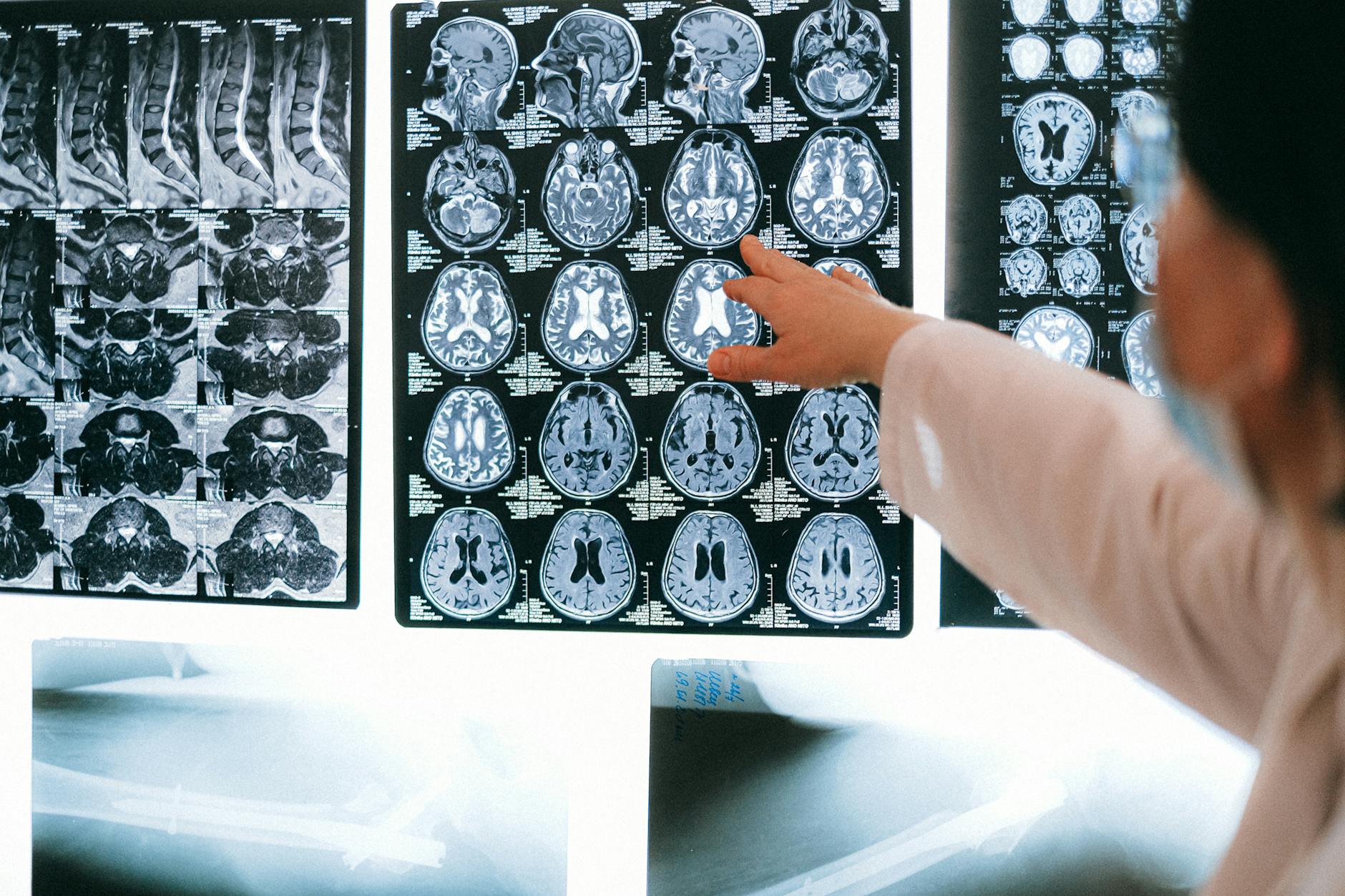
Neuroplastyczność i tryptaminy
05.05.2026
Od Alberta Hofmanna do 4-Pro-MET: historia badań
03.05.2026Najnowsze artykuły
4-Pro-MET vs 4-HO-MET: porównanie
02.07.2026Set i setting: zasady bezpiecznych badań
30.06.2026Substancje badawcze: bezpieczne zamawianie
28.06.2026Przechowywanie tryptamin: warunki i trwałość
26.06.2026
Profile toksykologiczne 4-podstawionych tryptamin
22.06.2026