Default Mode Network & Tryptamine Influence
How Tryptamines Disrupt the Brain's Self-Referential Processing System
Denně sníte, přemýšlíte o zítřku, myslíte na sebe – a při tom určitá mozková síť pracuje na plný výkon: Default Mode Network (DMN). Serotonerginí tryptaminy jako psilocin měřitelně tlumí aktivitu DMN. To přímo souvisí s psychedelickým prožitkem a terapeutickými účinky. Co je DMN, jak ho tryptaminy mění a proč by to mohlo být relevantní pro 4-Pro-MET?
Obsah
- Načítání...
Co je síť výchozího stavu?
Marcus Raichle (Washington University) objevil DMN v roce 2001. Síť, která se spouští přesně tehdy, když nic konkrétního neděláte – žádný úkol, žádný fokus, volný chod. Klíčové oblasti:
- Mediální prefrontální kortex (mPFC): Sebeodkazné myšlení, osobnost, sociální kognice
- Posteriorní cingulární kortex (PCC): Autobiografická paměť, vnitřní fokus
- Precuneus: Sebeuvědomění, vědomí
- Laterální temporální kortex: Sémantická paměť, narativní zpracování
Někteří ho nazývají 'sítí já'. Kdo jsem? Co budu dělat zítra? Co si o mně myslí ostatní? Při všech těchto otázkách je DMN aktivní – přibližně 60–80 % klidové mozkové aktivity u zdravých dospělých. A u depresivních? Hyperaktivní. Myšlenky se točí v kruhu, stále stejné smyčky – ruminace. Zatuhlé myšlení, které se cítí jako beton.
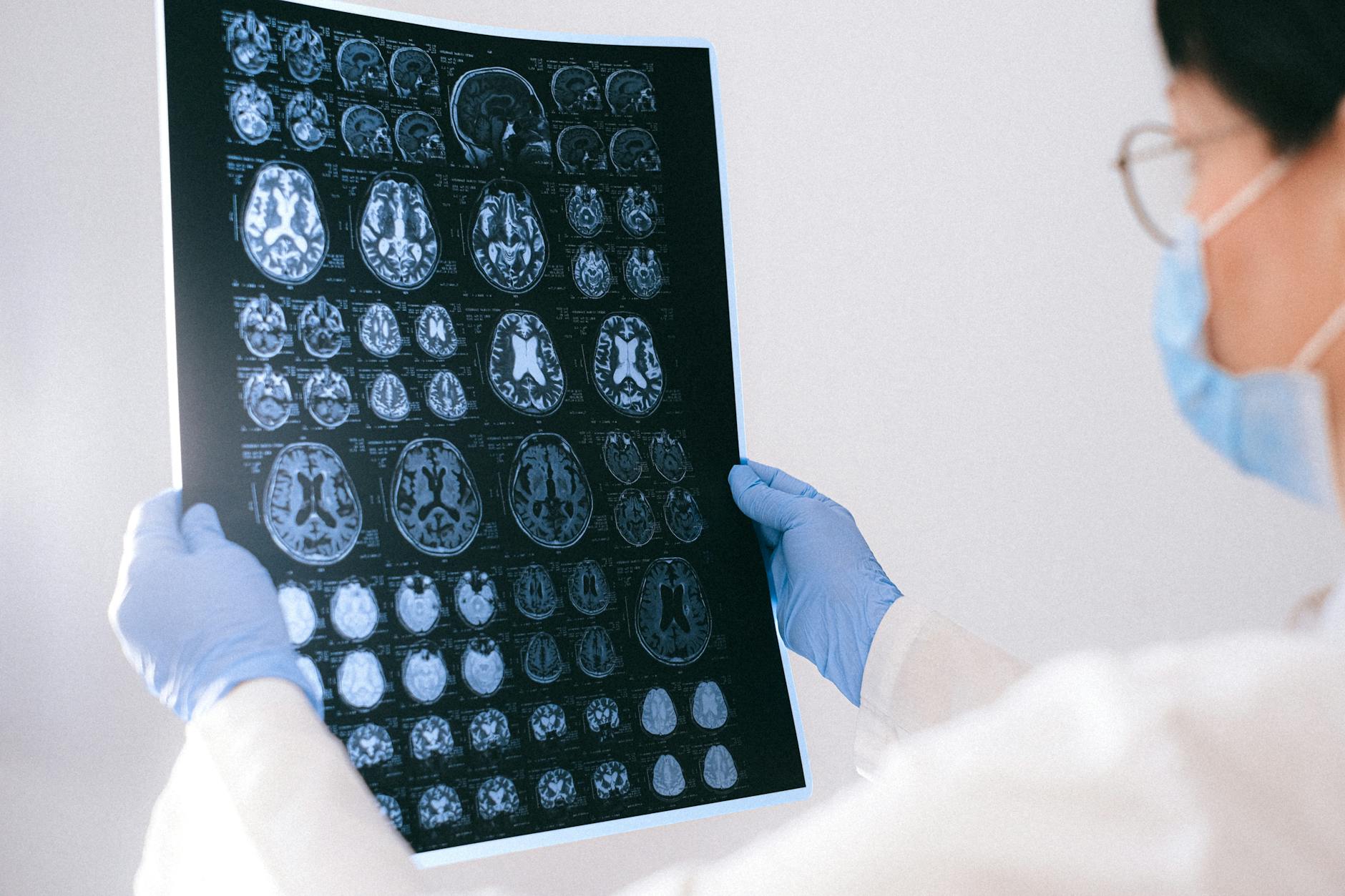
<p style='font-size:1.05rem;color:#444;line-height:1.8;'>Průlomové studie přišly z Imperial College London – Robin Carhart-Harris a jeho tým, od roku 2012. Pomocí fMRI zviditelňili, co psychedelika v mozku mění.</p><h3>Psilocybin a dezintegrace DMN</h3><p style='font-size:1.05rem;color:#444;line-height:1.8;'>Pod psilocybinem (psilocin jako aktivní metabolit) konektivita DMN selhala. mPFC a PCC se odpojily – dvě oblasti, které normálně fungují synchronně, najednou pracovaly odděleně. Současně stoupla konektivita mezi sítěmi, které jinak pracují odděleně. Více chaosu, více spojení. Výzkumníci to nazývají 'nárůst entropie'.</p><h3>Hypotéza REBUS (Carhart-Harris, 2019)</h3><p style='font-size:1.05rem;color:#444;line-height:1.8;'>REBUS znamená 'Relaxed Beliefs Under Psychedelics'. Hlavní myšlenka: psychedelika oslabují hierarchickou kontrolu DMN shora dolů nad nižšími mozkovými oblastmi. Normálně DMN funguje jako filtr – třídí smyslové informace podle naučených modelů. Pod tryptaminy se tento filtr uvolňuje. Mozek zpracovává svobodněji, méně omezován předpoklady.</p><p style='font-size:1.05rem;color:#444;line-height:1.8;'>Klinicky se to stává zajímavým. U deprese je DMN hyperaktivní a rigidní – stále stejné myšlenky v nekonečných smyčkách. Přechodná redukce DMN serotonerginími tryptaminy by mohla tyto vzorce narušit. Vytvořit prostor pro nové způsoby myšlení. Ve studiích přímo koreluje síla dezintegrace DMN s terapeutickým výsledkem.</p>
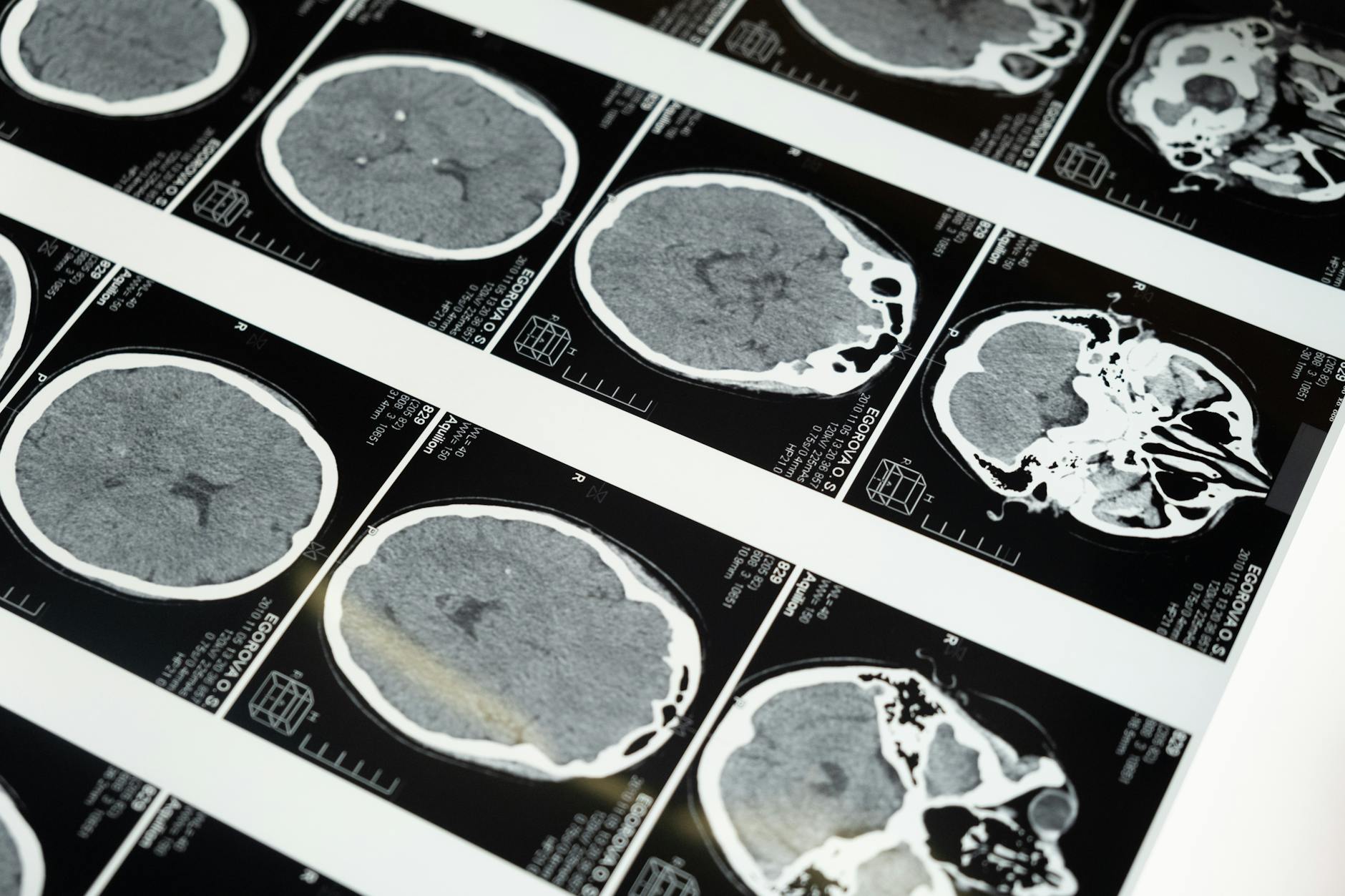
fMRI and MEG studies tell a consistent story: 5-HT2A agonists – psilocybin, LSD, DMT – reduce DMN connectivity in a dose-dependent way. Carhart-Harris et al. (2012) published the landmark fMRI study showing psilocybin significantly decreases mPFC and PCC blood flow and connectivity. The bigger the DMN disruption, the stronger the ego dissolution reports. Direct correlation.
What's happening mechanistically? 5-HT2A activation on layer V pyramidal neurons in the PFC and PCC breaks apart synchronized oscillatory patterns – particularly alpha waves – that hold DMN coherence together. Once that coherence collapses, the brain shifts into higher entropy: more random activity, fewer constraints. People describe expanded awareness, loosened self-boundaries, fresh thought patterns. It's the opposite of being stuck.
With 4-Pro-MET, the MET-series pattern of "clearer headspace" might point to less complete DMN disruption than DMT-series compounds like psilocybin. The preserved ego function and social capacity could reflect partial rather than full DMN decoherence – but nobody's put this under a scanner yet.
Právní upozornění
Dies ist ein Beispiel-Infotext. Hier können Sie wichtige Hinweise für Ihre Leser hinterlegen.
Lab-Tested 4-Pro-MET
Quality-verified – CoA included – EU shipping
Frequently Asked Questions
The DMN is a set of interconnected brain regions (mPFC, PCC, IPL, MTL) active during self-referential thought, mind-wandering, and rumination. It functions as the brain's 'narrative self' system. Hyperconnectivity in the DMN is associated with depression, anxiety, and rigid thought patterns.
5-HT2A agonists reduce DMN connectivity and activity. Carhart-Harris et al. (2012) showed that psilocybin significantly decreases mPFC and PCC blood flow and connectivity, with the magnitude of disruption correlating directly with ego dissolution reports.
The leading hypothesis is yes. By temporarily disrupting rigid DMN patterns, tryptamines may create a window of increased neural flexibility in which new patterns of thought and behavior can be established. This aligns with the observation that therapeutic benefits outlast the acute pharmacological effects.
No imaging studies exist for 4-Pro-MET. The MET-series 'clearer headspace' may reflect less complete DMN disruption compared to DMT-series compounds, but this is speculative. Community reports of preserved ego function and social capacity are consistent with partial rather than full DMN decoherence.
Whether sub-perceptual doses produce meaningful DMN changes is unknown. Some researchers hypothesize that microdoses may produce subtle DMN modulation without full decoherence, potentially reducing rumination without triggering ego dissolution. This remains an unconfirmed theoretical proposition.
Aktuelle Beiträge
-
 02.07.2026
 -
 30.06.2026
 -
 28.06.2026
 -
-
 24.06.2026
x
Please sign in to write a comment.
More from “Výzkum a Vědomí”
Propionyloxy skupina: chemická stabilita
24.06.2026
Jak byl objeven 4-Pro-MET: historie objevu
13.05.2026
Studie tryptaminů 2025/2026: přehled výzkumu
11.05.2026
Meditace a tryptaminy: vědecký výzkum
09.05.2026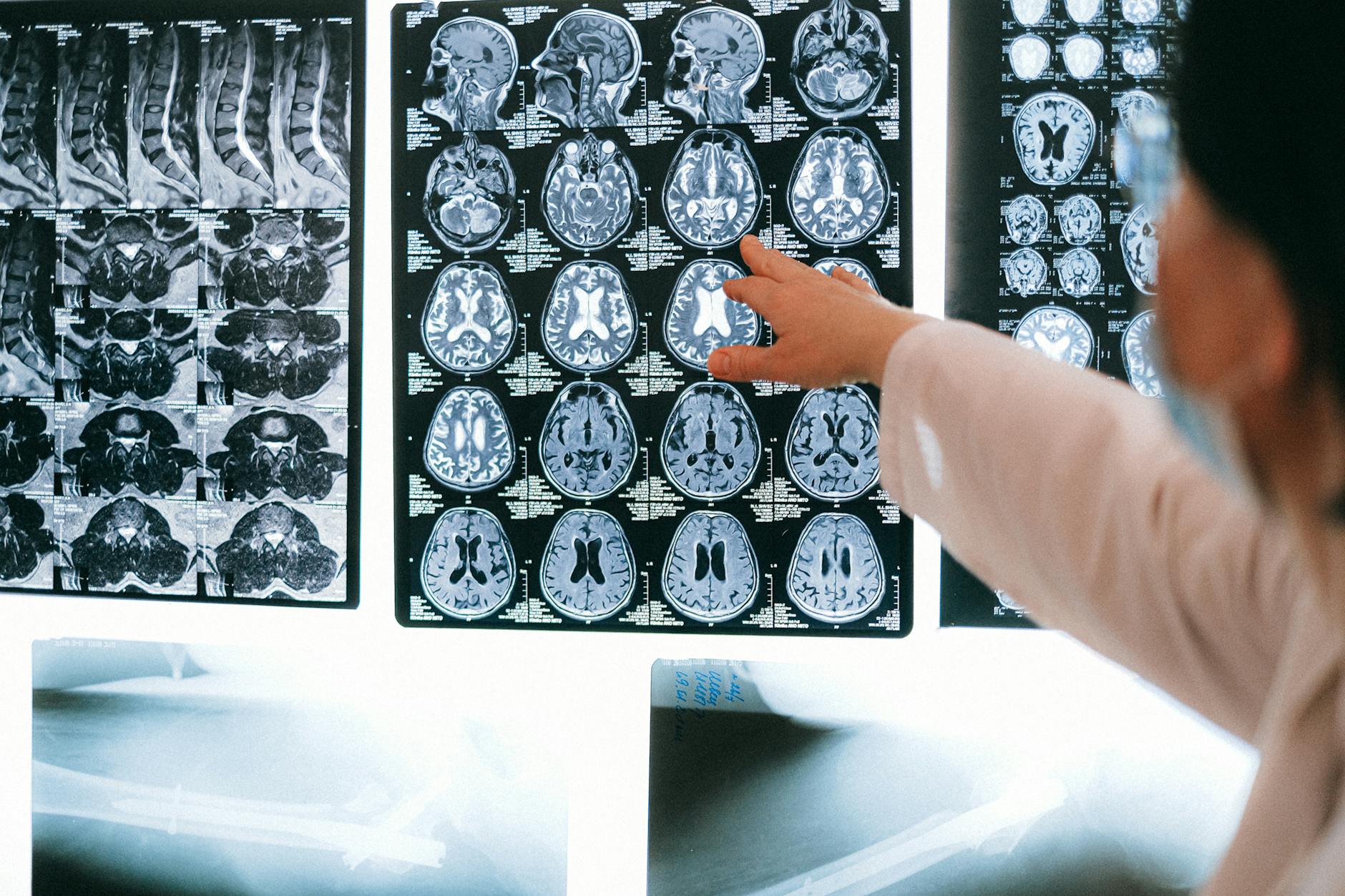
Neuroplasticita a tryptaminy
05.05.2026
Od Alberta Hofmanna po 4-Pro-MET: historie výzkumu
03.05.2026Latest Articles
4-Pro-MET vs 4-HO-MET: srovnání
02.07.2026Set a setting: zásady bezpečného výzkumu
30.06.2026Výzkumné chemikálie: bezpečné objednávání
28.06.2026Skladování tryptaminů: podmínky a trvanlivost
26.06.2026
Toxikologické profily 4-substituovaných tryptaminů
22.06.2026