Default Mode Network & Tryptamine Influence
How Tryptamines Disrupt the Brain's Self-Referential Processing System
U dagdroomt, piekert over morgen, denkt aan uzelf — en daarbij vuurt een specifiek hersennetwerk op volle toeren: het Default Mode Network (DMN). Serotonerg werkende tryptaminen zoals psilocine dempen de DMN-activiteit meetbaar. Dit hangt direct samen met de psychedelische beleving en therapeutische effecten. Wat is het DMN, hoe veranderen tryptaminen het, en waarom kan dit relevant worden voor 4-Pro-MET?
Inhoudsopgave
- Laden...
Wat Is het Default Mode Network?
Marcus Raichle (Washington University) ontdekte het DMN in 2001. Een netwerk dat precies opstart wanneer u niets specifieks doet — geen taak, geen focus, rust. De kernregio's:
- Mediale prefrontale cortex (mPFC): Zelfreferentieel denken, persoonlijkheid, sociale cognitie
- Posterieure cingulaire cortex (PCC): Autobiografisch geheugen, innerlijke focus
- Precuneus: Zelfperceptie, bewustzijn
- Laterale temporale cortex: Semantisch geheugen, narratieve verwerking
Sommigen noemen het het 'zelfnetwerk'. Wie ben ik? Wat doe ik morgen? Wat denken anderen over mij? Bij al deze vragen is het DMN actief — circa 60–80% van de rustherssenactiviteit bij gezonde volwassenen. En bij mensen met depressie? Hyperactief. De gedachten draaien in cirkels, steeds dezelfde lussen — ruminatie. Vastgeroeste denkpatronen die aanvoelen als beton.
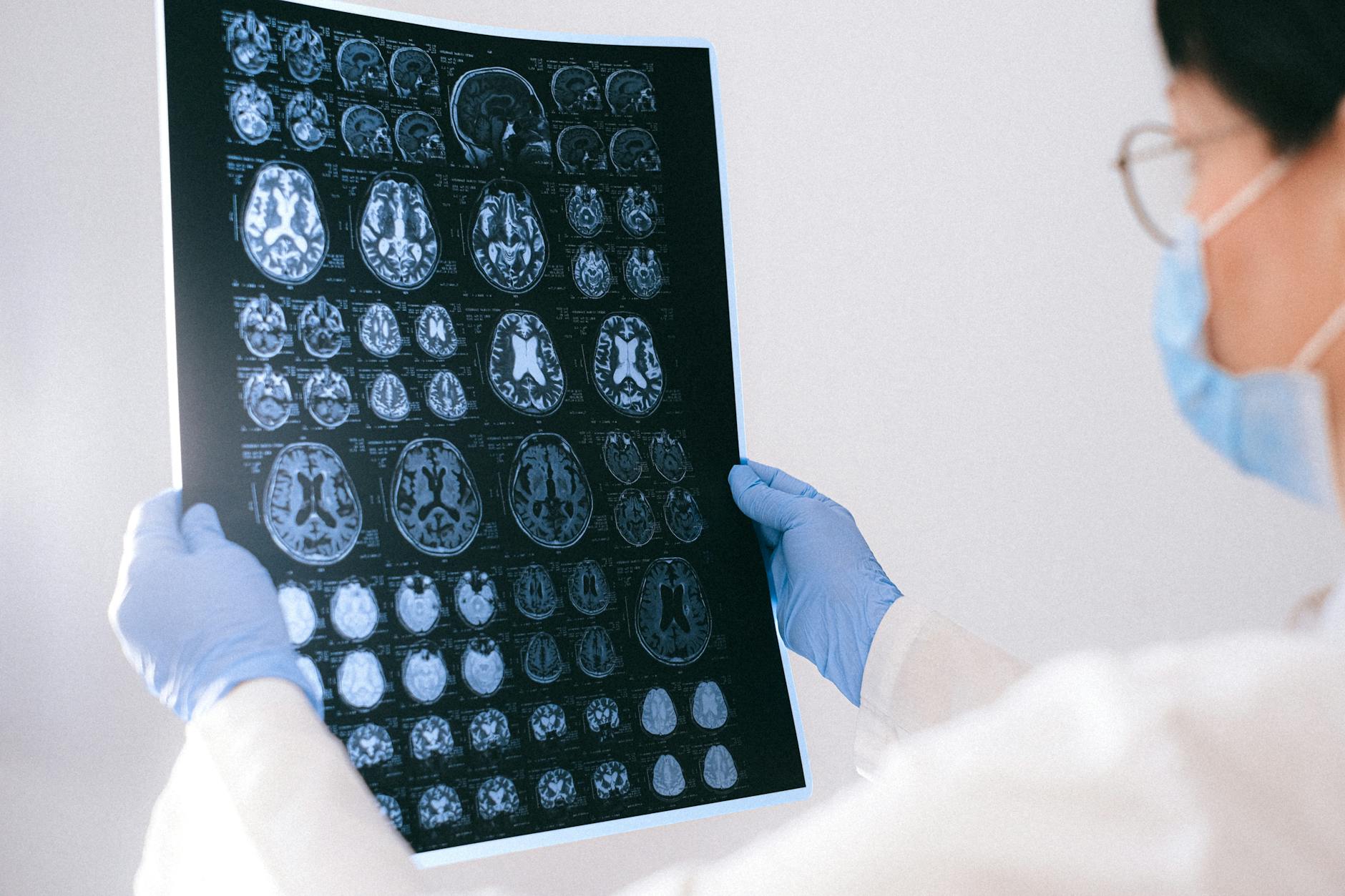
<p style='font-size:1.05rem;color:#444;line-height:1.8;'>De richtinggevende studies kwamen van Imperial College London — Robin Carhart-Harris en zijn team, vanaf 2012. Met fMRI maakten ze zichtbaar wat psychedelica in de hersenen veranderen.</p><h3>Psilocybine en DMN-desintegratie</h3><p style='font-size:1.05rem;color:#444;line-height:1.8;'>Onder psilocybine (psilocine als actieve metaboliet) brak de DMN-connectiviteit in. mPFC en PCC ontkoppelden — twee regio's die normaal synchroon vuren, gingen plotseling uiteen. Tegelijkertijd nam de connectiviteit toe tussen netwerken die anders afzonderlijk werken. Meer chaos, meer verbindingen. De onderzoekers noemen dit 'entropieverhoging'.</p><h3>De REBUS-hypothese (Carhart-Harris, 2019)</h3><p style='font-size:1.05rem;color:#444;line-height:1.8;'>REBUS staat voor 'Relaxed Beliefs Under Psychedelics'. De kerngedachte: psychedelica verzwakken de hiërarchische top-down-controle van het DMN over lagere hersengebieden. Normaal werkt het DMN als een filter — het sorteert sensorische informatie op basis van aangeleerde modellen. Onder tryptaminen wordt dit filter losser. Het brein verwerkt vrijer, minder beperkt door vooraannames.</p><p style='font-size:1.05rem;color:#444;line-height:1.8;'>Klinisch wordt dit interessant. Bij depressie is het DMN hyperactief en rigide — dezelfde gedachten in eindeloze lussen. Een tijdelijke DMN-reductie door serotonerg werkende tryptaminen zou deze patronen kunnen doorbreken. Ruimte scheppen voor nieuwe denkwijzen. In studies correleert de mate van DMN-desintegratie direct met de therapeutische uitkomst.</p>
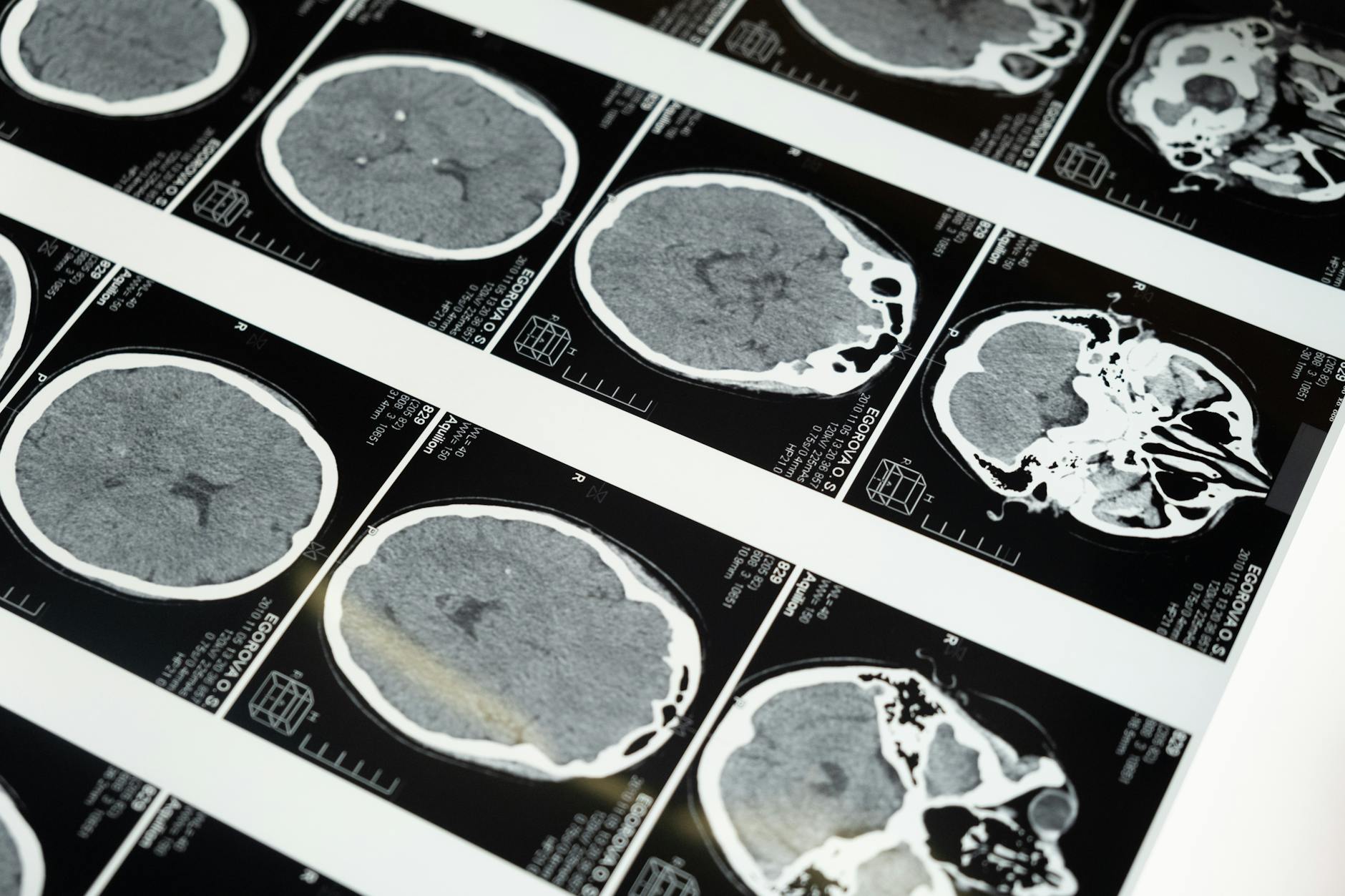
fMRI and MEG studies tell a consistent story: 5-HT2A agonists – psilocybin, LSD, DMT – reduce DMN connectivity in a dose-dependent way. Carhart-Harris et al. (2012) published the landmark fMRI study showing psilocybin significantly decreases mPFC and PCC blood flow and connectivity. The bigger the DMN disruption, the stronger the ego dissolution reports. Direct correlation.
What's happening mechanistically? 5-HT2A activation on layer V pyramidal neurons in the PFC and PCC breaks apart synchronized oscillatory patterns – particularly alpha waves – that hold DMN coherence together. Once that coherence collapses, the brain shifts into higher entropy: more random activity, fewer constraints. People describe expanded awareness, loosened self-boundaries, fresh thought patterns. It's the opposite of being stuck.
With 4-Pro-MET, the MET-series pattern of "clearer headspace" might point to less complete DMN disruption than DMT-series compounds like psilocybin. The preserved ego function and social capacity could reflect partial rather than full DMN decoherence – but nobody's put this under a scanner yet.
Juridische Kennisgeving
Dies ist ein Beispiel-Infotext. Hier können Sie wichtige Hinweise für Ihre Leser hinterlegen.
Lab-Tested 4-Pro-MET
Quality-verified – CoA included – EU shipping
Frequently Asked Questions
The DMN is a set of interconnected brain regions (mPFC, PCC, IPL, MTL) active during self-referential thought, mind-wandering, and rumination. It functions as the brain's 'narrative self' system. Hyperconnectivity in the DMN is associated with depression, anxiety, and rigid thought patterns.
5-HT2A agonists reduce DMN connectivity and activity. Carhart-Harris et al. (2012) showed that psilocybin significantly decreases mPFC and PCC blood flow and connectivity, with the magnitude of disruption correlating directly with ego dissolution reports.
The leading hypothesis is yes. By temporarily disrupting rigid DMN patterns, tryptamines may create a window of increased neural flexibility in which new patterns of thought and behavior can be established. This aligns with the observation that therapeutic benefits outlast the acute pharmacological effects.
No imaging studies exist for 4-Pro-MET. The MET-series 'clearer headspace' may reflect less complete DMN disruption compared to DMT-series compounds, but this is speculative. Community reports of preserved ego function and social capacity are consistent with partial rather than full DMN decoherence.
Whether sub-perceptual doses produce meaningful DMN changes is unknown. Some researchers hypothesize that microdoses may produce subtle DMN modulation without full decoherence, potentially reducing rumination without triggering ego dissolution. This remains an unconfirmed theoretical proposition.
Aktuelle Beiträge
-

-

-
-
 26.06.2026
 -
x
Please sign in to write a comment.
Meer uit „Onderzoek & Bewustzijn“
De propionyloxygroep: stabiliteitsvoordelen in tryptamine-chemie
24.06.2026
Hoe 4-Pro-MET werd ontdekt: van synthese tot research chemical
13.05.2026
Tryptamine-studies 2025/2026: farmacologische gegevens
11.05.2026
Meditatie en tryptamines: synergieen in onderzoek
09.05.2026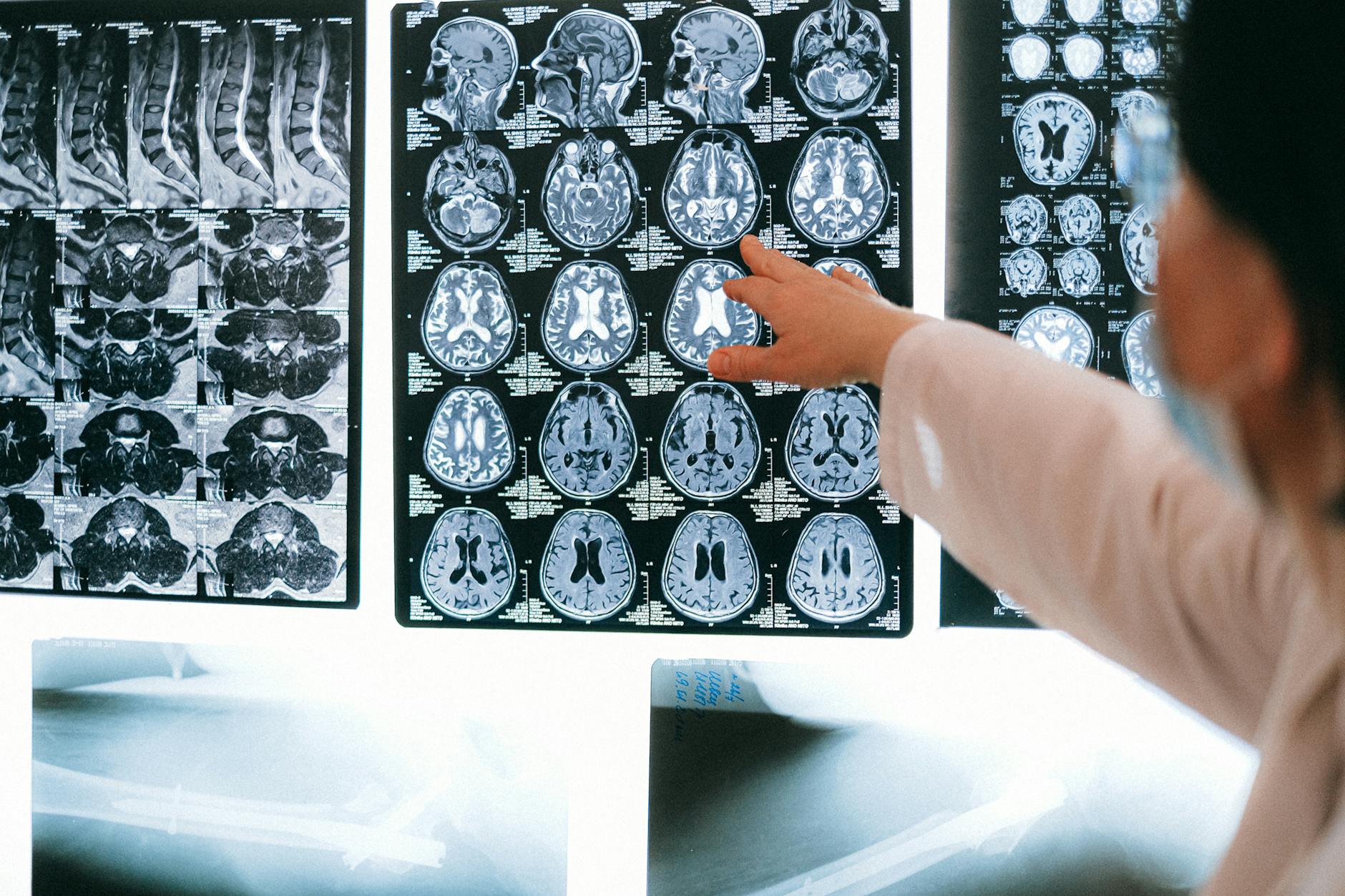
Neuroplasticiteit en tryptamines: nieuwe inzichten
05.05.2026
Van Albert Hofmann tot 4-Pro-MET: geschiedenis van tryptamines
03.05.2026Nieuwste artikelen
4-Pro-MET vs 4-HO-MET: prodrug versus actief molecuul
02.07.2026Set en setting: kader voor veilig tryptamine-onderzoek
30.06.2026Research chemicals veilig bestellen: kwaliteitscriteria
28.06.2026Tryptamines bewaren: houdbaarheid en opslag
26.06.2026
Toxicologische profielen van 4-gesubstitueerde tryptamines
22.06.2026