From Albert Hofmann to 4-Pro-MET
Eight Decades of Tryptamine Discovery, Prohibition & Renaissance
De geschiedenis van het tryptamineonderzoek begint met een fiets. Op 19 april 1943 fietste Albert Hofmann onder invloed van LSD — een ergoline, strikt genomen geen tryptamine, maar de vonk voor het psychedelisch onderzoek — door Basel. Wat volgde: 80 jaar onderzoek, verboden, renaissance en de ontwikkeling van substanties zoals 4-Pro-MET. Van Hofmanns laboratoria bij Sandoz tot de synthetische tryptaminen van de 21e eeuw.
Inhoudsopgave
- Laden...
De Pioniersperiode (1938-1970)
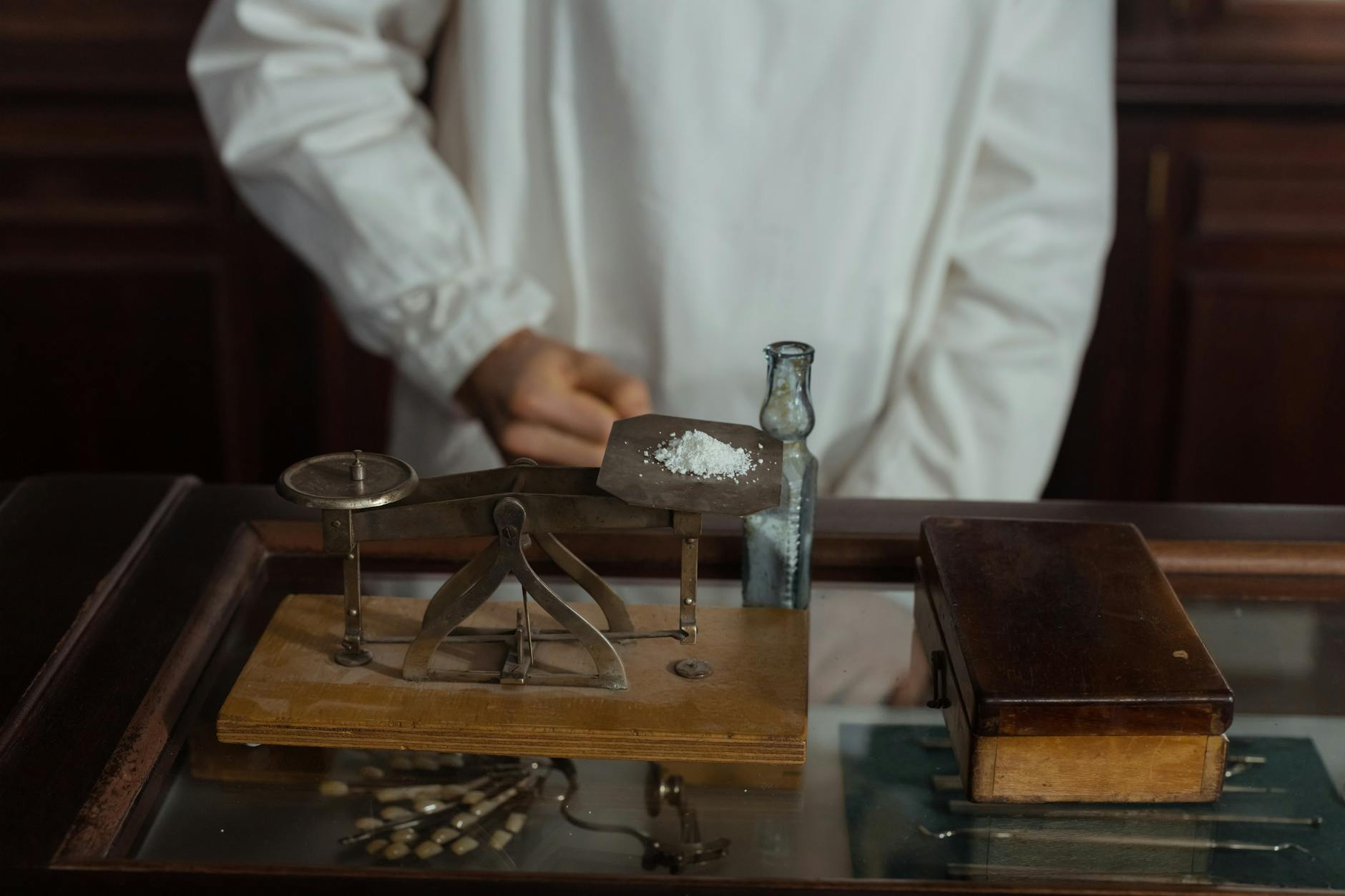
Albert Hofmann synthesized LSD (lysergic acid diethylamide) at Sandoz Laboratories in Basel, Switzerland in 1938. Five years later came the accident that changed everything. On April 19, 1943 – now commemorated as "Bicycle Day" – Hofmann absorbed a small quantity through his skin and experienced altered perception during his ride home. LSD is a lysergamide, not a tryptamine. But Hofmann's discovery cracked open the door to systematic psychedelic research.
Tryptamines came next. In 1958, Hofmann synthesized psilocybin and psilocin from Psilocybe mexicana mushrooms. By 1960, he'd determined their chemical structures and developed synthetic production methods. These discoveries put 4-substituted tryptamines on the map alongside lysergamides and phenethylamines. And the research boom that followed was staggering: between 1950 and 1970, approximately 1,000 scientific papers were published on psychedelic tryptamines, and an estimated 40,000 patients received psilocybin or LSD in therapeutic settings.
Schritt 1
Schritt 1
Beschreibung...
Schritt 2
Schritt 2
Beschreibung...
Schritt 3
Schritt 3
Beschreibung...
Het Verbodstijdperk en Alexander Shulgin (1970-2000)
Alexander 'Sasha' Shulgin (1925–2014) bracht Hofmanns werk naar een systematisch niveau. In zijn privélaboratorium in Californië synthetiseerde en testte hij honderden fenethylaminen en tryptaminen — waaronder 4-HO-MET, de actieve metaboliet van 4-Pro-MET.
TiHKAL (1997) documenteerde 55 tryptaminen met syntheseprotocollen en zelfexperimentdocumentatie. Over 4-HO-MET (vermelding #21) schreef Shulgin: 'Qualitatively a lot like psilocin. I started within the first half-hour, and at the max, I felt the same alteration of color and form' — dosis 10–20 mg, duur 4–6 uur.
Zijn aanpak was eenvoudig en briljant: één variabele wijzigen (bv. de N-substitutie), de rest constant houden, het effect documenteren. Dit legde de grondslag voor modern structuur-activiteitsrelatie-onderzoek (SAR) bij tryptaminen. 4-Pro-MET staat in deze traditie: het varieert de ester op positie 4 (propionyloxy in plaats van acetyloxy) bij hetzelfde N-methyl-N-ethylpatroon.
Het VN-Verdrag inzake psychotrope stoffen (1971) en nationale wetgeving brachten het psychedelisch onderzoek drie decennia lang tot stilstand. Psilocybine, DMT en verwante tryptaminen werden internationaal gecontroleerd. In Nederland: psilocybine staat op de lijst van verboden middelen.
Tussen 1975 en 2000 waren er wereldwijd minder dan 10 gepubliceerde klinische studies naar psilocybine. Shulgins werk in zijn privélaboratorium was een van de weinige uitzonderingen — hij werkte met een DEA-vergunning. In deze periode lag het tryptamineonderzoek stil. Een 'verloren generatie' van de neurowetenschap.
The modern psychedelic renaissance began in 2006 when Roland Griffiths' team at Johns Hopkins published their landmark psilocybin study – demonstrating its ability to occasion mystical-type experiences with lasting positive effects. Clinical trials followed fast: by 2026, over 15 Phase II/III trials are active or completed for psilocybin alone, targeting treatment-resistant depression, PTSD, alcohol use disorder, and end-of-life anxiety.
The research chemical market expanded in parallel. 4-HO-MET appeared as a designer substance around 2008, 4-AcO-MET and 4-AcO-DMT gained popularity through the mid-2010s, and 4-Pro-MET emerged in August/September 2025 as the latest iteration of the 4-substituted tryptamine prodrug strategy. Each compound applies Shulgin's foundational chemistry to generate legal variants with predictable pharmacological profiles.
Juridische Kennisgeving
Dies ist ein Beispiel-Infotext. Hier können Sie wichtige Hinweise für Ihre Leser hinterlegen.
Lab-Tested 4-Pro-MET
Quality-verified – CoA included – EU shipping
Frequently Asked Questions
4-Pro-MET's specific originator is unknown. The compound applies established prodrug chemistry (propionyloxy ester) to 4-HO-MET, which was first synthesized by Alexander Shulgin in the 1970s. 4-Pro-MET first appeared in the European research chemical market in August/September 2025.
TiHKAL (Tryptamines I Have Known And Loved) is Alexander Shulgin's 1997 book documenting 55 tryptamine compounds with synthesis routes, dosages, and detailed personal bioassay notes. It includes 4-HO-MET (entry #21, the active metabolite of 4-Pro-MET) but not 4-Pro-MET itself. TiHKAL remains a foundational reference for tryptamine chemistry.
The modern renaissance is generally dated to 2006, when Griffiths et al. at Johns Hopkins published their landmark psilocybin study. Since then, clinical trials have expanded exponentially: as of 2026, over 15 Phase II/III psilocybin trials are active or completed.
4-Pro-MET represents the latest generation of 4-substituted tryptamine prodrugs – a concept established by nature (psilocybin), formalized by Shulgin (4-AcO compounds), and extended to propionyloxy esters in the 2020s. It combines Shulgin's 4-HO-MET pharmacology with enhanced chemical stability through a longer ester chain.
In TiHKAL, Shulgin described 4-HO-MET (10-20 mg oral) as 'qualitatively a lot like psilocin' with wave-like effects and altered perception of color and form. He noted it initially seemed more potent than psilocin but suspected they would be indistinguishable in blind testing.
Aktuelle Beiträge
x
Please sign in to write a comment.
Meer uit „Onderzoek & Bewustzijn“

4-Pro-MET ervaringsrapporten: wetenschappelijke documentatie
01.05.2026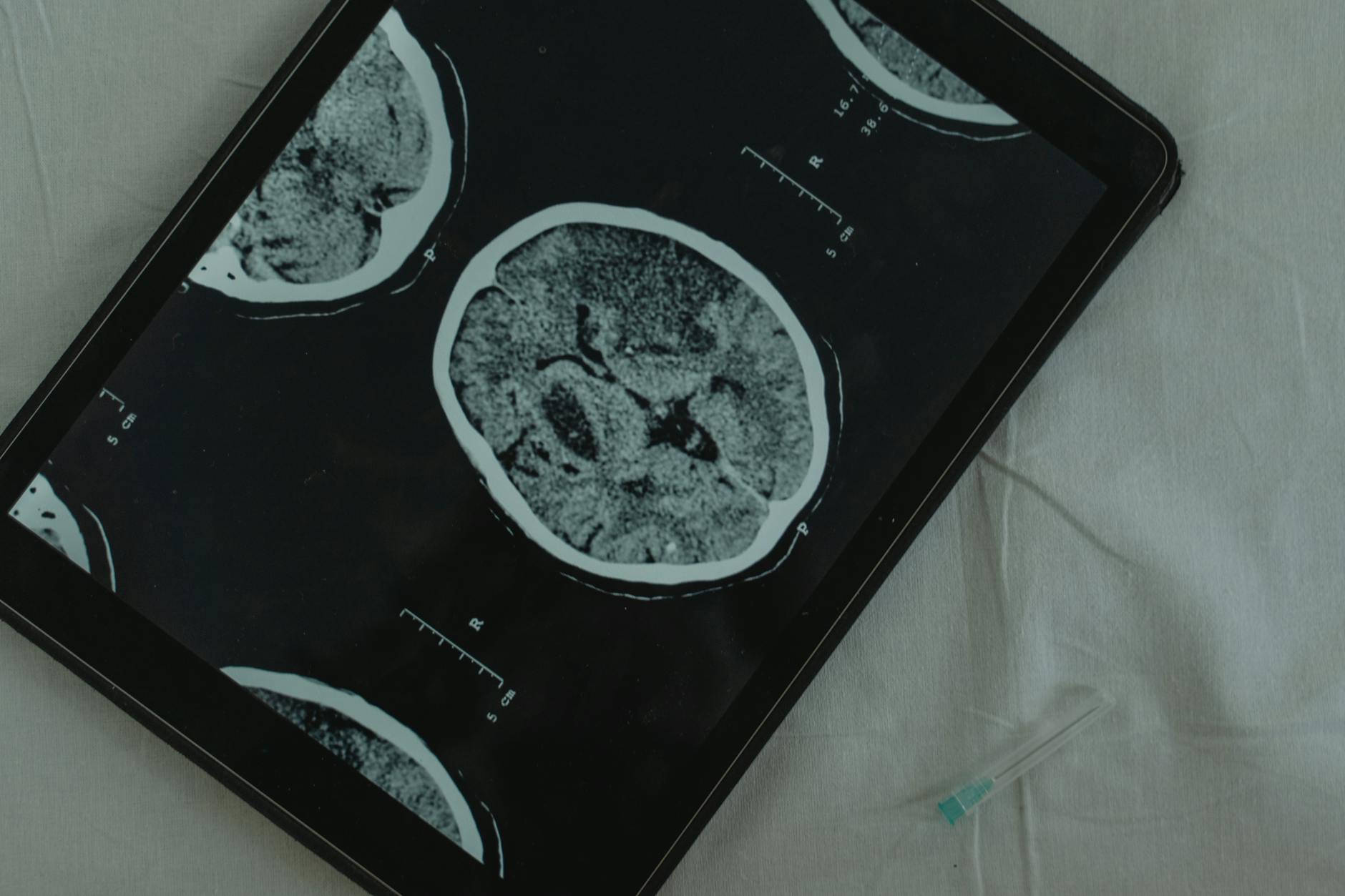
Serotonine, seizoensgebonden stemming en tryptamine-onderzoek
29.04.2026
4-Pro-MET en empathie: emotioneel profiel in onderzoek
27.04.2026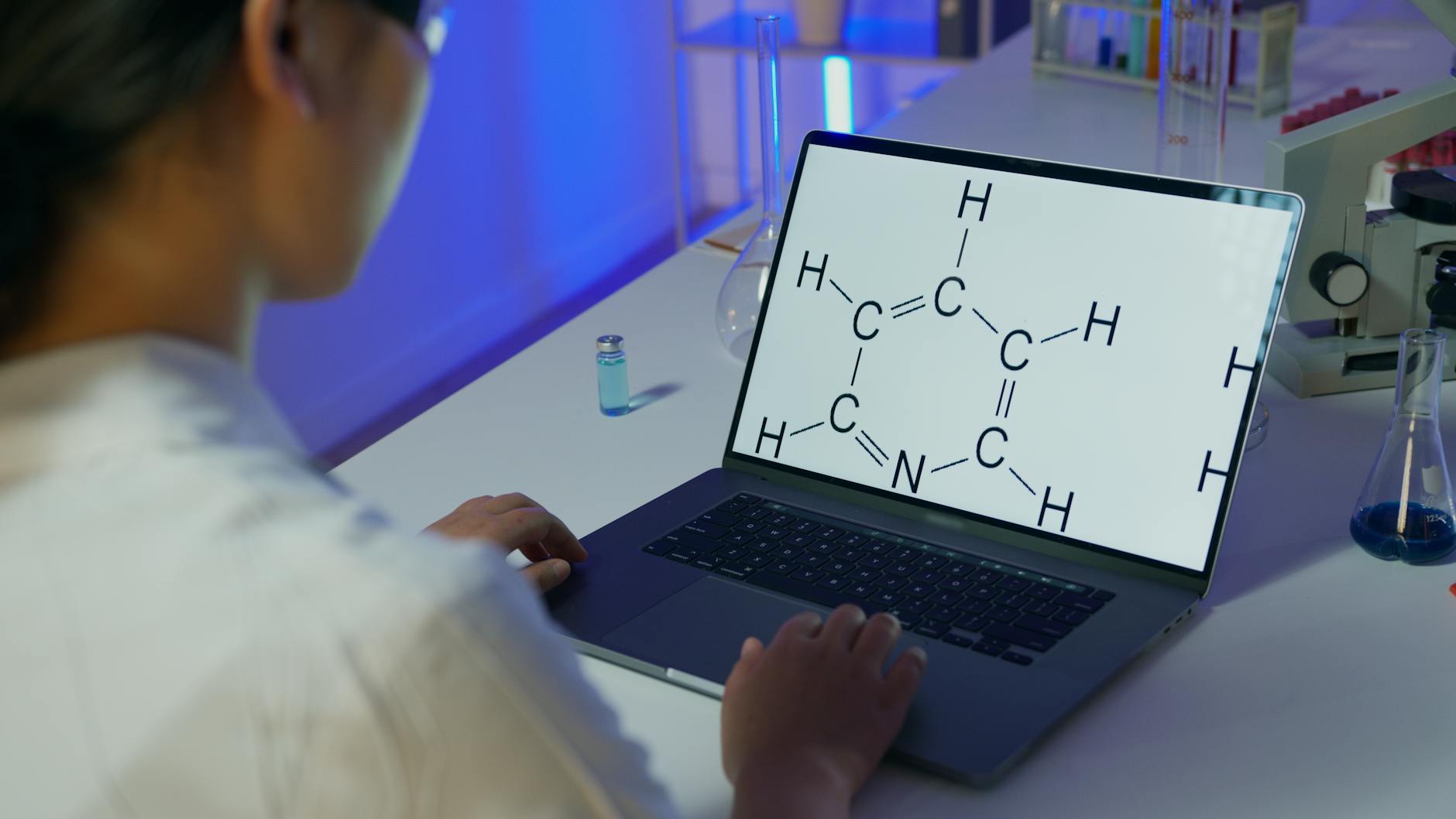
4-Pro-MET chemische structuur en syntheseroutes
15.04.2026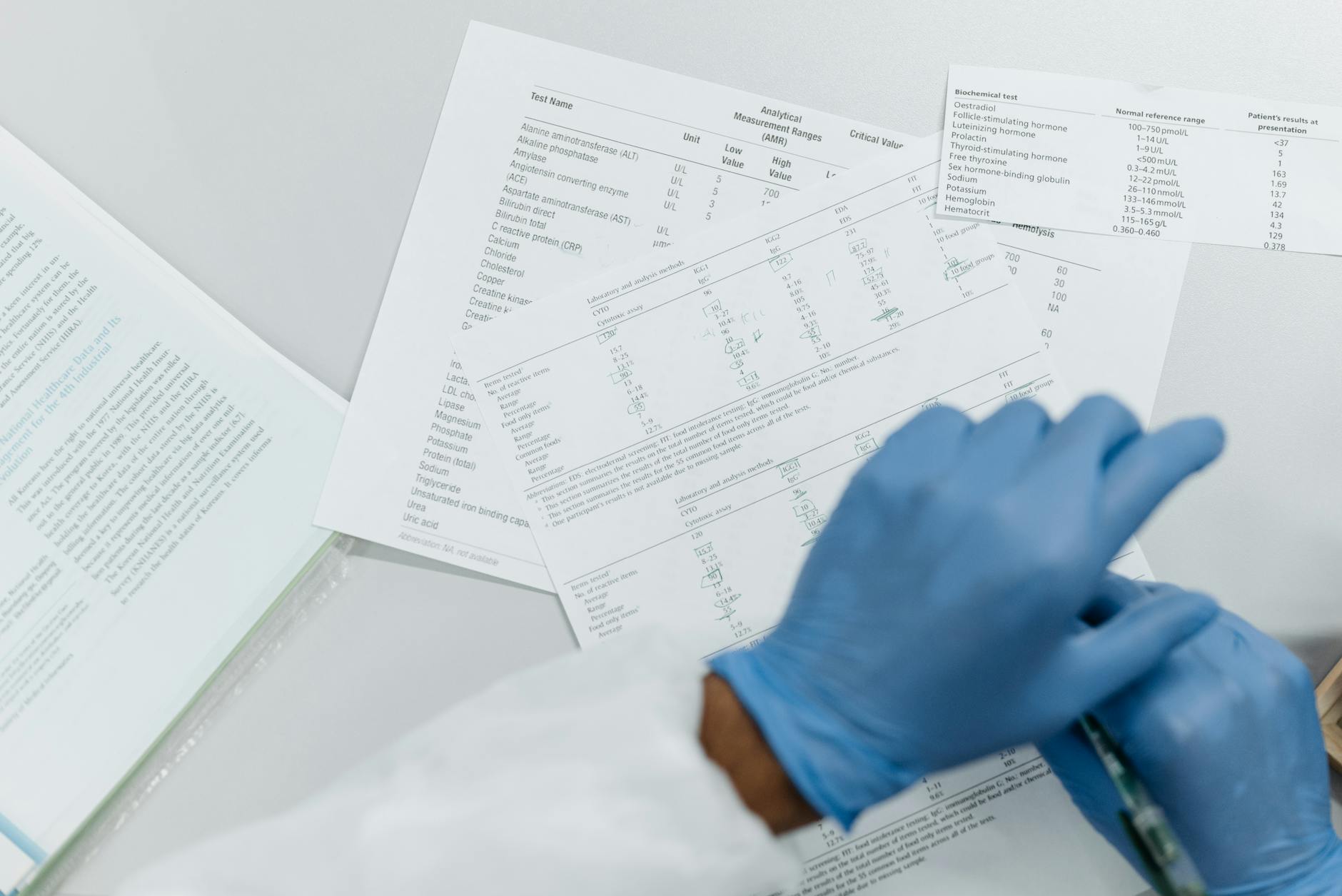
4-Pro-MET: wetenschappelijke studies en onderzoek
02.04.2026Nieuwste artikelen

Alle tryptamines beschikbaar voor onderzoek 2026
25.04.2026
4-Pro-MET vs 4-AcO-DMT: vergelijking tussen stoffen
23.04.2026
4-Pro-MET vs 4-AcO-MET: prodrug-vergelijking
21.04.2026
4-Pro-MET vs psilocybine: synthetisch versus natuurlijk
19.04.2026
4-Pro-MET juridische status 2026: BtMG en NpSG
12.04.2026