From Albert Hofmann to 4-Pro-MET
Eight Decades of Tryptamine Discovery, Prohibition & Renaissance
L'histoire de la recherche sur les tryptamines commence avec une bicyclette. Le 19 avril 1943, Albert Hofmann pédalait sous l'influence du LSD – un ergoline, pas une tryptamine au sens strict, mais l'étincelle de la recherche psychédélique – à travers Bâle. Ce qui s'ensuivit : 80 ans de recherche, d'interdictions, de renaissance et le développement de substances comme le 4-Pro-MET. Des laboratoires Sandoz de Hofmann aux tryptamines synthétiques du XXI e siècle.
Table des Matières
- Chargement...
L'Ère Pionnière (1938-1970)
Albert Hofmann synthesized LSD (lysergic acid diethylamide) at Sandoz Laboratories in Basel, Switzerland in 1938. Five years later came the accident that changed everything. On April 19, 1943 – now commemorated as "Bicycle Day" – Hofmann absorbed a small quantity through his skin and experienced altered perception during his ride home. LSD is a lysergamide, not a tryptamine. But Hofmann's discovery cracked open the door to systematic psychedelic research.
Tryptamines came next. In 1958, Hofmann synthesized psilocybin and psilocin from Psilocybe mexicana mushrooms. By 1960, he'd determined their chemical structures and developed synthetic production methods. These discoveries put 4-substituted tryptamines on the map alongside lysergamides and phenethylamines. And the research boom that followed was staggering: between 1950 and 1970, approximately 1,000 scientific papers were published on psychedelic tryptamines, and an estimated 40,000 patients received psilocybin or LSD in therapeutic settings.
L'Ère de la Prohibition et Alexander Shulgin (1970-2000)
Alexander « Sasha » Shulgin (1925–2014) a porté le travail de Hofmann à un niveau systématique. Dans son laboratoire privé en Californie, il a synthétisé et testé des centaines de phénéthylamines et de tryptamines – dont le 4-HO-MET, le métabolite actif du 4-Pro-MET.
TiHKAL (1997) a documenté 55 tryptamines avec des protocoles de synthèse et d'auto-expérimentation. Sur le 4-HO-MET (entrée #21), Shulgin écrivait : « Qualitatively a lot like psilocin. I started within the first half-hour, and at the max, I felt the same alteration of color and form » – dose 10–20 mg, durée 4–6 heures.
Son approche était simple et ingénieuse : changer une variable (par exemple la N-substitution), maintenir le reste constant, documenter l'effet. Cela a posé les bases de la recherche moderne des relations structure-activité (SAR) pour les tryptamines. Le 4-Pro-MET s'inscrit dans cette tradition : il fait varier l'ester en position 4 (propionyloxy au lieu d'acétyloxy) avec le même motif N-méthyl-N-éthyl.
<p style='font-size:1.05rem;color:#444;line-height:1.8;'>La Convention des Nations Unies sur les substances psychotropes (1971) et les législations nationales ont mis un coup d'arrêt à la recherche psychédélique pendant trois décennies. La psilocybine, le DMT et les tryptamines apparentées ont été soumises à un contrôle international. En Allemagne : la psilocybine figure à l'annexe I du BtMG (non commercialisable).</p><p style='font-size:1.05rem;color:#444;line-height:1.8;'>Entre 1975 et 2000, moins de 10 études cliniques publiées dans le monde portaient sur la psilocybine. Le travail de Shulgin dans son laboratoire privé constituait l'une des rares exceptions – il opérait sous licence DEA. Durant cette période, la recherche sur les tryptamines était en jachère. Une « génération perdue » des neurosciences.</p>
The modern psychedelic renaissance began in 2006 when Roland Griffiths' team at Johns Hopkins published their landmark psilocybin study – demonstrating its ability to occasion mystical-type experiences with lasting positive effects. Clinical trials followed fast: by 2026, over 15 Phase II/III trials are active or completed for psilocybin alone, targeting treatment-resistant depression, PTSD, alcohol use disorder, and end-of-life anxiety.
The research chemical market expanded in parallel. 4-HO-MET appeared as a designer substance around 2008, 4-AcO-MET and 4-AcO-DMT gained popularity through the mid-2010s, and 4-Pro-MET emerged in August/September 2025 as the latest iteration of the 4-substituted tryptamine prodrug strategy. Each compound applies Shulgin's foundational chemistry to generate legal variants with predictable pharmacological profiles.
Avis Juridique
Dies ist ein Beispiel-Infotext. Hier können Sie wichtige Hinweise für Ihre Leser hinterlegen.
Lab-Tested 4-Pro-MET
Quality-verified – CoA included – EU shipping
Frequently Asked Questions
4-Pro-MET's specific originator is unknown. The compound applies established prodrug chemistry (propionyloxy ester) to 4-HO-MET, which was first synthesized by Alexander Shulgin in the 1970s. 4-Pro-MET first appeared in the European research chemical market in August/September 2025.
TiHKAL (Tryptamines I Have Known And Loved) is Alexander Shulgin's 1997 book documenting 55 tryptamine compounds with synthesis routes, dosages, and detailed personal bioassay notes. It includes 4-HO-MET (entry #21, the active metabolite of 4-Pro-MET) but not 4-Pro-MET itself. TiHKAL remains a foundational reference for tryptamine chemistry.
The modern renaissance is generally dated to 2006, when Griffiths et al. at Johns Hopkins published their landmark psilocybin study. Since then, clinical trials have expanded exponentially: as of 2026, over 15 Phase II/III psilocybin trials are active or completed.
4-Pro-MET represents the latest generation of 4-substituted tryptamine prodrugs – a concept established by nature (psilocybin), formalized by Shulgin (4-AcO compounds), and extended to propionyloxy esters in the 2020s. It combines Shulgin's 4-HO-MET pharmacology with enhanced chemical stability through a longer ester chain.
In TiHKAL, Shulgin described 4-HO-MET (10-20 mg oral) as 'qualitatively a lot like psilocin' with wave-like effects and altered perception of color and form. He noted it initially seemed more potent than psilocin but suspected they would be indistinguishable in blind testing.
Aktuelle Beiträge
x
Veuillez vous connecter pour rédiger un commentaire.
Plus sur « Recherche & Conscience »
Le groupe propionoxy : stabilite en chimie des tryptamines
24.06.2026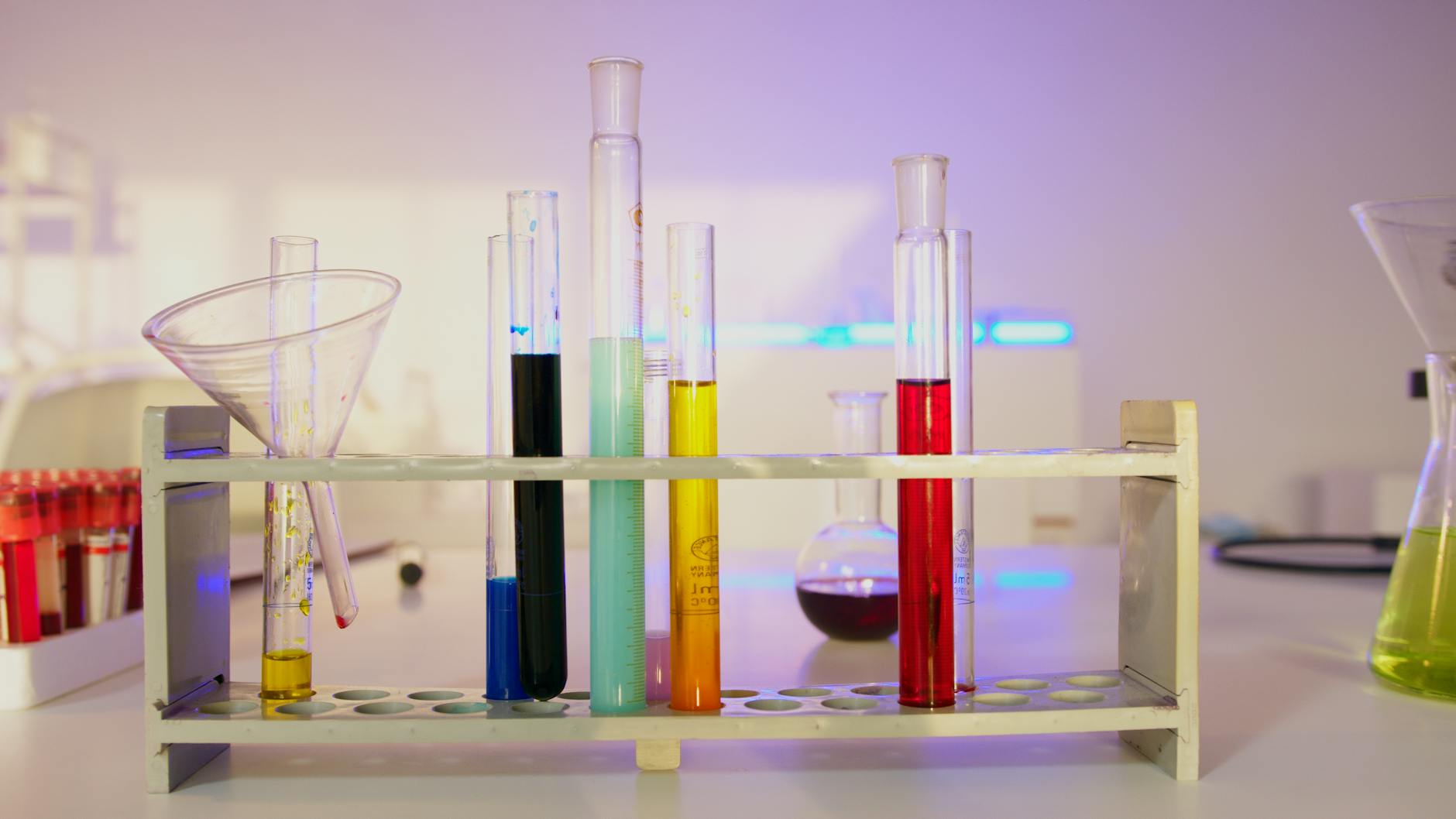
Comment le 4-Pro-MET a ete decouvert : de la synthese au research chemical
13.05.2026
Etudes sur les tryptamines 2025/2026 : donnees pharmacologiques
11.05.2026
Meditation et tryptamines : synergies en recherche
09.05.2026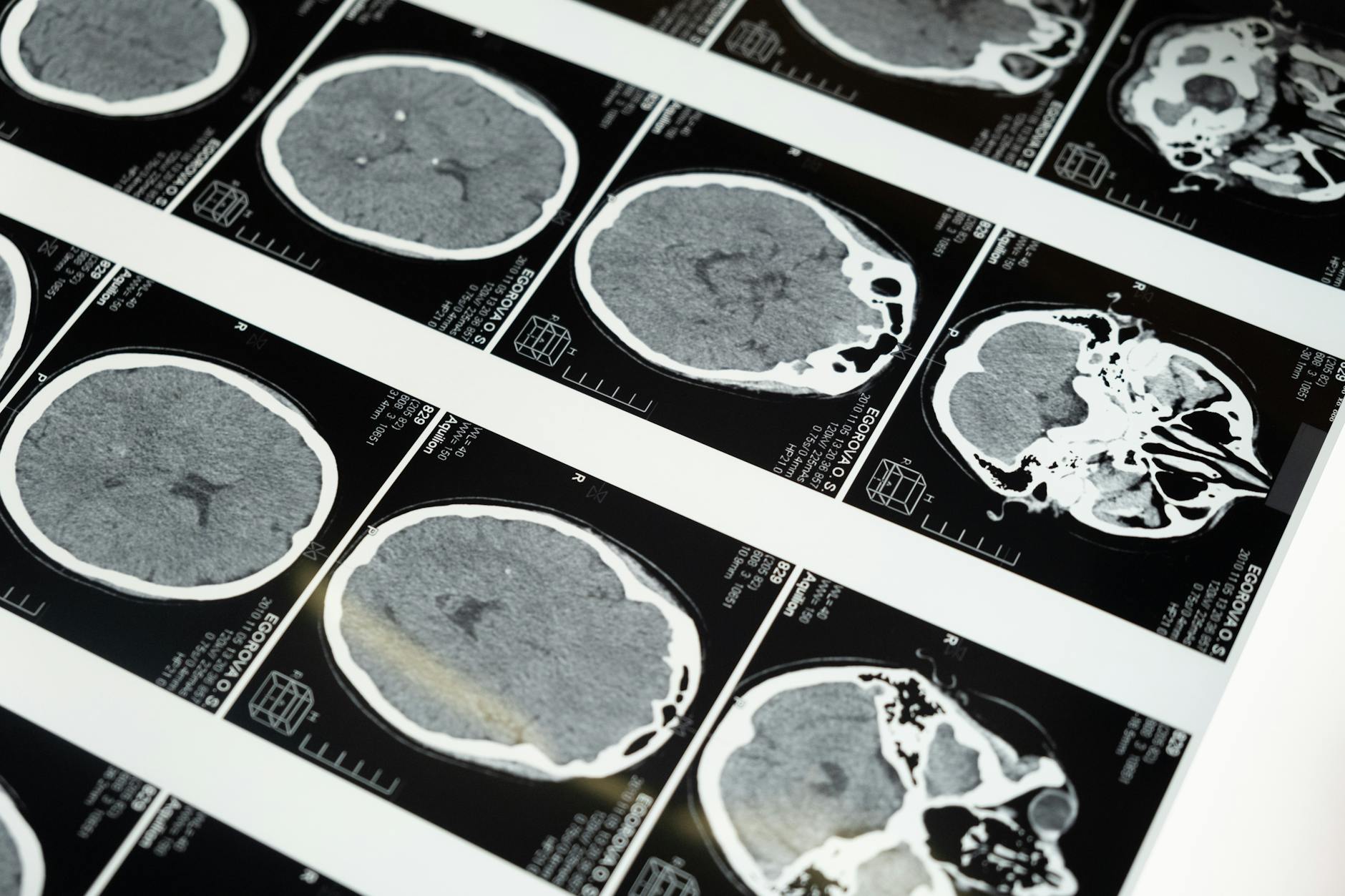
Reseau du mode par defaut et influence des tryptamines
07.05.2026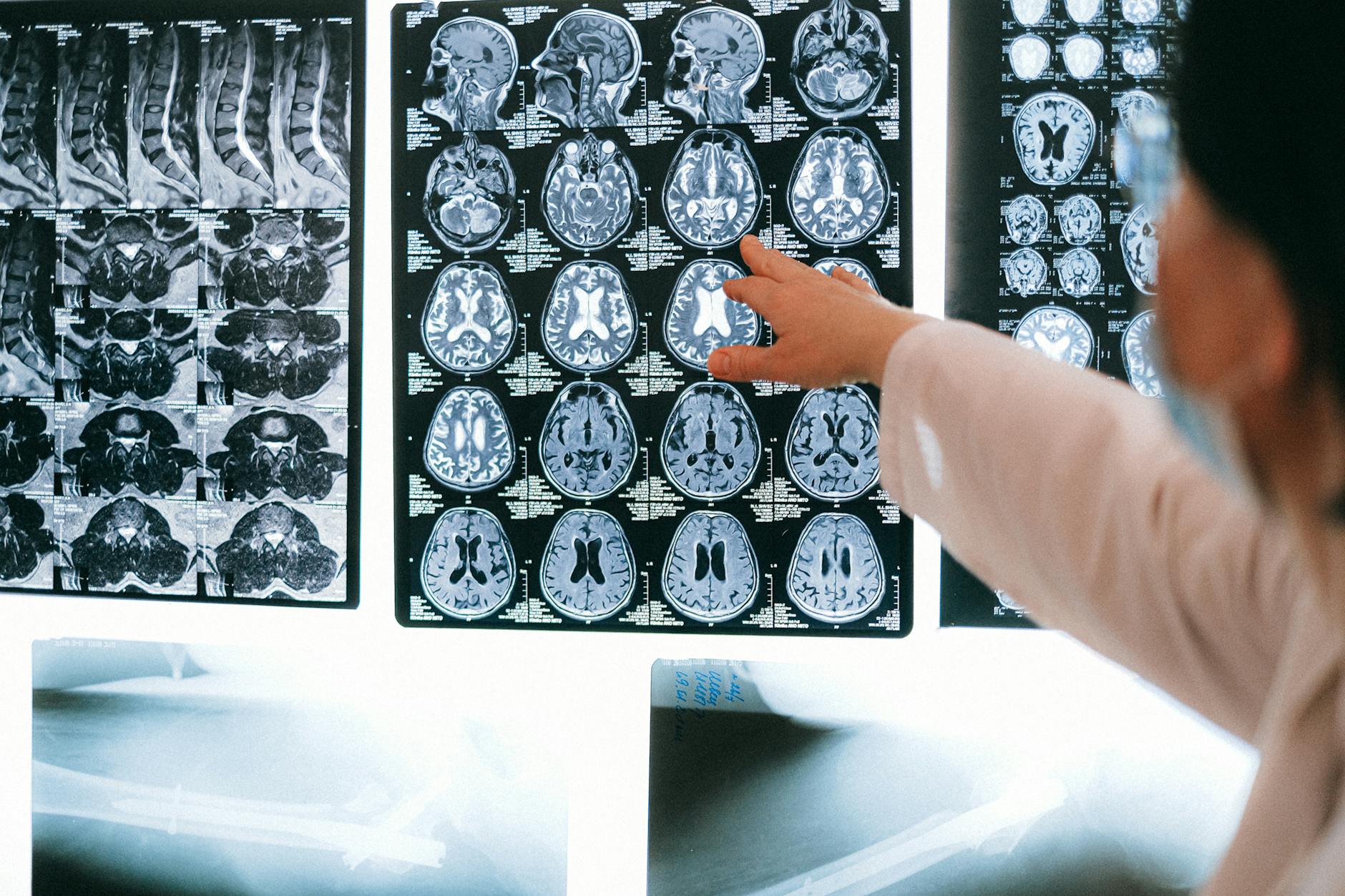
Neuroplasticite et tryptamines : nouvelles perspectives
05.05.2026Derniers articles

4-Pro-MET vs 4-HO-MET : prodrogue contre molecule active
02.07.2026
Set et setting : cadre pour une recherche sure sur les tryptamines
30.06.2026
Acheter des research chemicals en securite : criteres de qualite
28.06.2026
Conservation des tryptamines : stabilite et duree de vie
26.06.2026
Profils toxicologiques des tryptamines 4-substituees
22.06.2026