From Albert Hofmann to 4-Pro-MET
Eight Decades of Tryptamine Discovery, Prohibition & Renaissance
La historia de la investigación sobre triptaminas comienza con una bicicleta. El 19 de abril de 1943, Albert Hofmann pedaleó por Basilea bajo los efectos del LSD – un ergolino, no una triptamina en sentido estricto, pero la chispa que encendió la investigación psicodélica. Lo que siguió: 80 años de investigación, prohibiciones, renacimiento y el desarrollo de sustancias como 4-Pro-MET. Desde los laboratorios de Hofmann en Sandoz hasta las triptaminas sintéticas del siglo XXI.
Tabla de Contenidos
- Cargando...
La Era Pionera (1938-1970)
Albert Hofmann synthesized LSD (lysergic acid diethylamide) at Sandoz Laboratories in Basel, Switzerland in 1938. Five years later came the accident that changed everything. On April 19, 1943 – now commemorated as "Bicycle Day" – Hofmann absorbed a small quantity through his skin and experienced altered perception during his ride home. LSD is a lysergamide, not a tryptamine. But Hofmann's discovery cracked open the door to systematic psychedelic research.
Tryptamines came next. In 1958, Hofmann synthesized psilocybin and psilocin from Psilocybe mexicana mushrooms. By 1960, he'd determined their chemical structures and developed synthetic production methods. These discoveries put 4-substituted tryptamines on the map alongside lysergamides and phenethylamines. And the research boom that followed was staggering: between 1950 and 1970, approximately 1,000 scientific papers were published on psychedelic tryptamines, and an estimated 40,000 patients received psilocybin or LSD in therapeutic settings.
La Era de la Prohibición y Alexander Shulgin (1970-2000)
Alexander «Sasha» Shulgin (1925–2014) llevó el trabajo de Hofmann a un nivel sistemático. En su laboratorio privado en California sintetizó y probó cientos de fenetilaminas y triptaminas – entre ellas 4-HO-MET, el metabolito activo de 4-Pro-MET.
TiHKAL (1997) documentó 55 triptaminas con instrucciones de síntesis y protocolos de autoexperimento. Sobre 4-HO-MET (entrada #21) escribió Shulgin: «Qualitatively a lot like psilocin. I started within the first half-hour, and at the max, I felt the same alteration of color and form» – dosis 10–20 mg, duración 4–6 horas.
Su enfoque era simple y brillante: modificar una variable (p. ej., la N-sustitución), mantener el resto constante y documentar los efectos. Esto sentó las bases de la moderna investigación de relaciones estructura-actividad (SAR) en triptaminas. 4-Pro-MET sigue esta tradición: varía el éster en la posición 4 (propioniloxilo en lugar de acetiloxilo) con el mismo patrón N-metil-N-etil.
<p style='font-size:1.05rem;color:#444;line-height:1.8;'>El Convenio de Naciones Unidas sobre Sustancias Psicotrópicas (1971) y las legislaciones nacionales paralizaron la investigación psicodélica durante tres décadas. La psilocibina, el DMT y las triptaminas relacionadas fueron controladas internacionalmente. En Alemania: psilocibina en el Anexo I del BtMG (sin tráfico legal).</p><p style='font-size:1.05rem;color:#444;line-height:1.8;'>Entre 1975 y 2000 se publicaron menos de 10 ensayos clínicos sobre psilocibina en todo el mundo. El trabajo de Shulgin en su laboratorio privado fue una de las pocas excepciones – operaba con una licencia de la DEA. Durante esta fase la investigación sobre triptaminas quedó paralizada. Una «generación perdida» de las neurociencias.</p>
The modern psychedelic renaissance began in 2006 when Roland Griffiths' team at Johns Hopkins published their landmark psilocybin study – demonstrating its ability to occasion mystical-type experiences with lasting positive effects. Clinical trials followed fast: by 2026, over 15 Phase II/III trials are active or completed for psilocybin alone, targeting treatment-resistant depression, PTSD, alcohol use disorder, and end-of-life anxiety.
The research chemical market expanded in parallel. 4-HO-MET appeared as a designer substance around 2008, 4-AcO-MET and 4-AcO-DMT gained popularity through the mid-2010s, and 4-Pro-MET emerged in August/September 2025 as the latest iteration of the 4-substituted tryptamine prodrug strategy. Each compound applies Shulgin's foundational chemistry to generate legal variants with predictable pharmacological profiles.
Aviso Legal
Dies ist ein Beispiel-Infotext. Hier können Sie wichtige Hinweise für Ihre Leser hinterlegen.
Lab-Tested 4-Pro-MET
Quality-verified – CoA included – EU shipping
Frequently Asked Questions
4-Pro-MET's specific originator is unknown. The compound applies established prodrug chemistry (propionyloxy ester) to 4-HO-MET, which was first synthesized by Alexander Shulgin in the 1970s. 4-Pro-MET first appeared in the European research chemical market in August/September 2025.
TiHKAL (Tryptamines I Have Known And Loved) is Alexander Shulgin's 1997 book documenting 55 tryptamine compounds with synthesis routes, dosages, and detailed personal bioassay notes. It includes 4-HO-MET (entry #21, the active metabolite of 4-Pro-MET) but not 4-Pro-MET itself. TiHKAL remains a foundational reference for tryptamine chemistry.
The modern renaissance is generally dated to 2006, when Griffiths et al. at Johns Hopkins published their landmark psilocybin study. Since then, clinical trials have expanded exponentially: as of 2026, over 15 Phase II/III psilocybin trials are active or completed.
4-Pro-MET represents the latest generation of 4-substituted tryptamine prodrugs – a concept established by nature (psilocybin), formalized by Shulgin (4-AcO compounds), and extended to propionyloxy esters in the 2020s. It combines Shulgin's 4-HO-MET pharmacology with enhanced chemical stability through a longer ester chain.
In TiHKAL, Shulgin described 4-HO-MET (10-20 mg oral) as 'qualitatively a lot like psilocin' with wave-like effects and altered perception of color and form. He noted it initially seemed more potent than psilocin but suspected they would be indistinguishable in blind testing.
Aktuelle Beiträge
x
Please sign in to write a comment.
Más de «Investigación y Conciencia»
El grupo propioniloxi: Ventajas de estabilidad en triptaminas
24.06.2026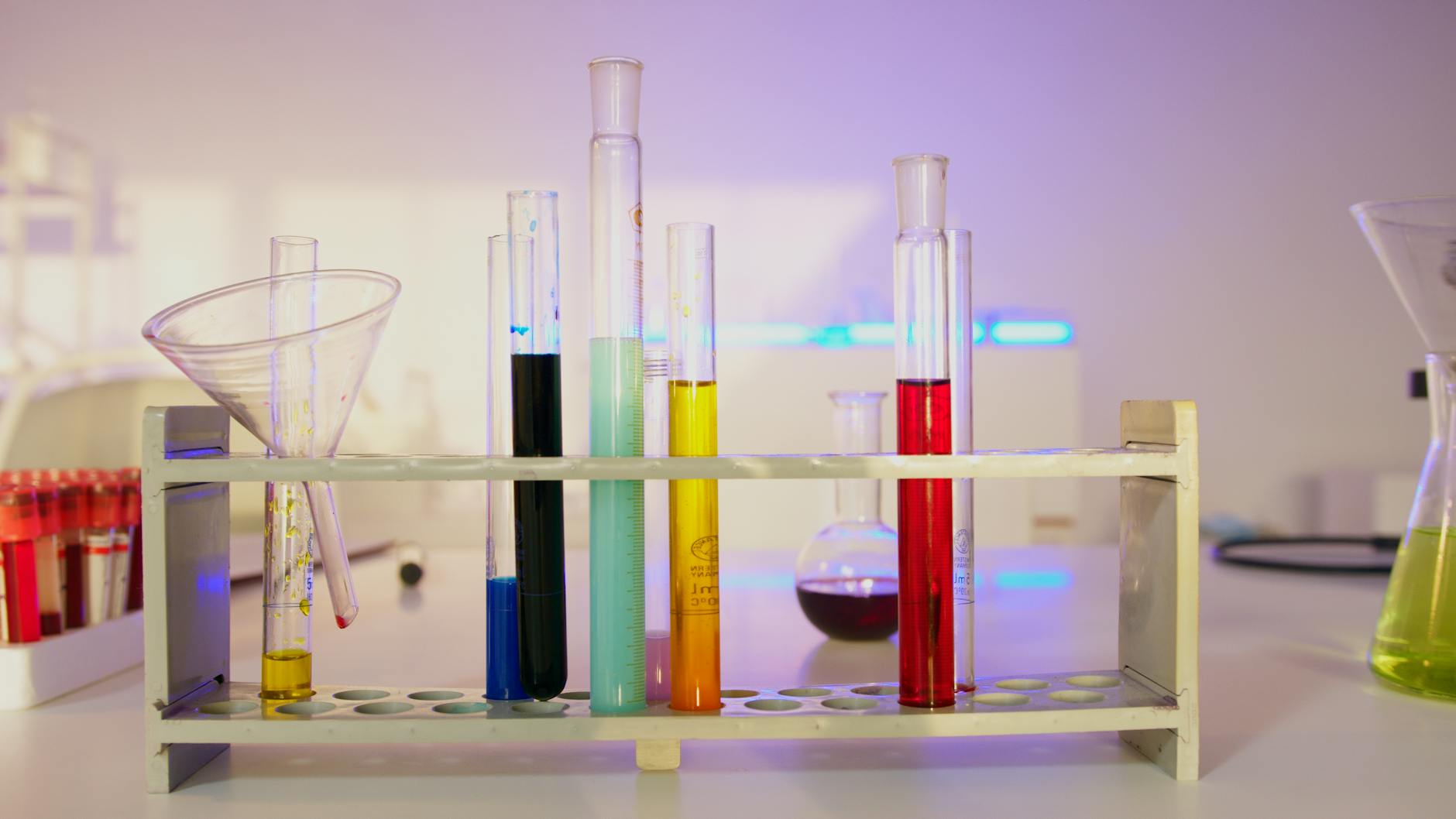
Cómo se descubrió el 4-Pro-MET: De la síntesis al research chemical
13.05.2026
Estudios sobre triptaminas 2025/2026: Datos farmacológicos
11.05.2026
Meditación y triptaminas: Sinergias en la investigación
09.05.2026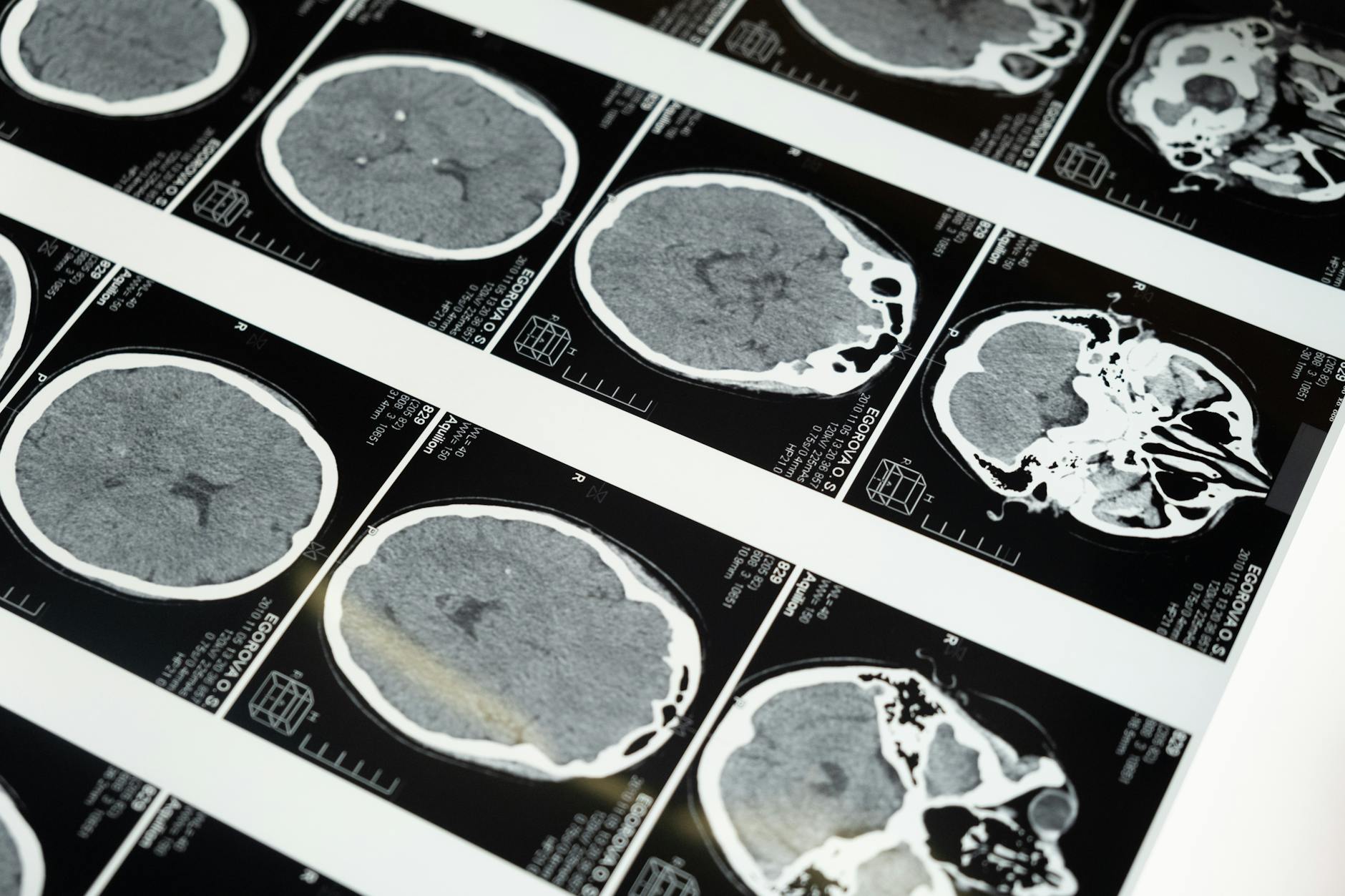
Red neuronal por defecto y triptaminas: Influencia
07.05.2026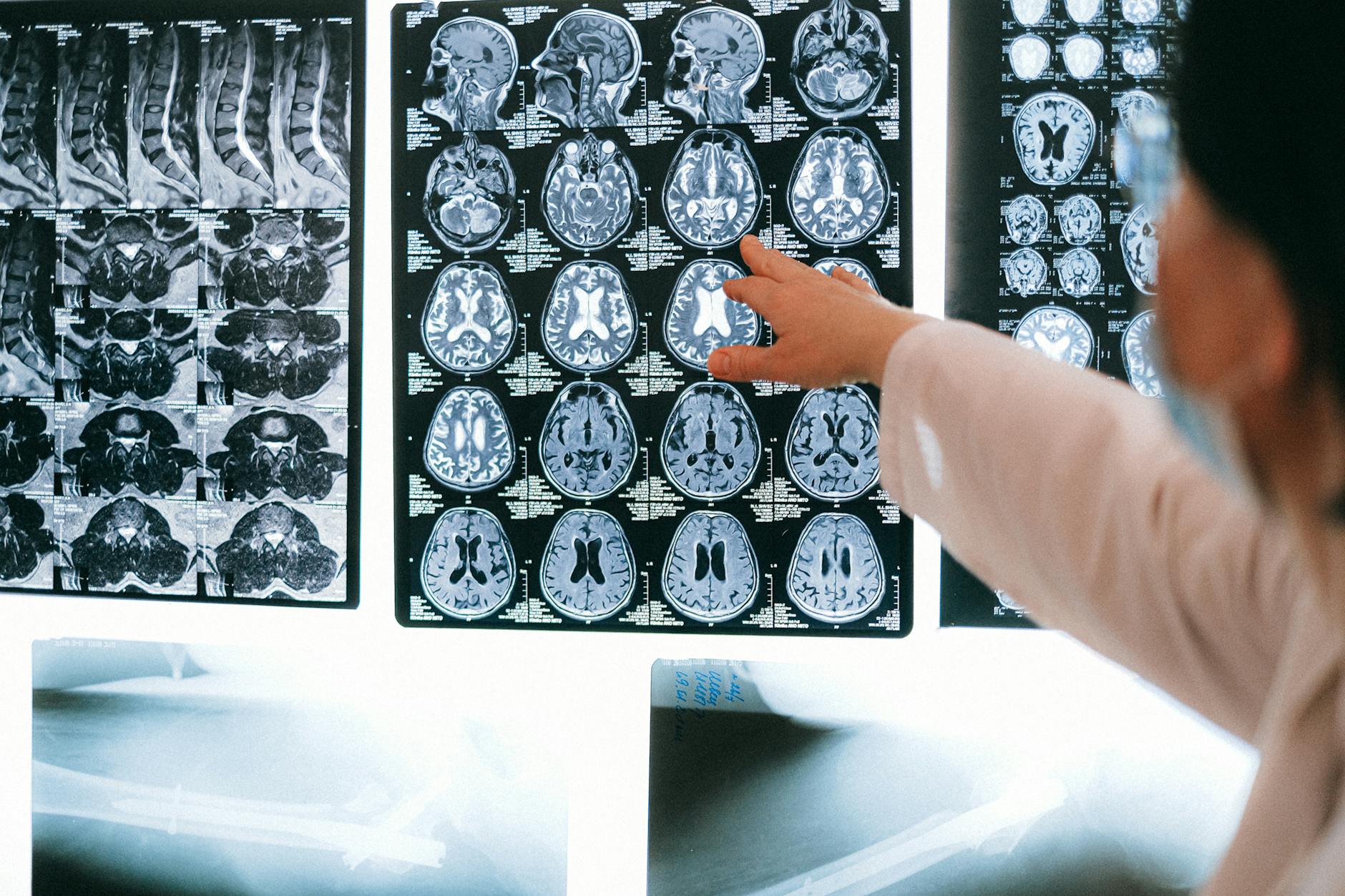
Neuroplasticidad y triptaminas: Investigación actual
05.05.2026Últimos artículos

4-Pro-MET vs 4-HO-MET: Profármaco frente a original
02.07.2026
Set y setting: Marco para investigación segura con triptaminas
30.06.2026
Comprar research chemicals de forma segura: Calidad y confianza
28.06.2026
Cómo almacenar triptaminas: Conservación y estabilidad
26.06.2026
Perfiles toxicológicos de triptaminas 4-sustituidas
22.06.2026