Neuroplasticity & Tryptamines: Current Research
How 5-HT2A Agonists May Promote Dendritic Growth, Synaptogenesis & Neural Rewiring
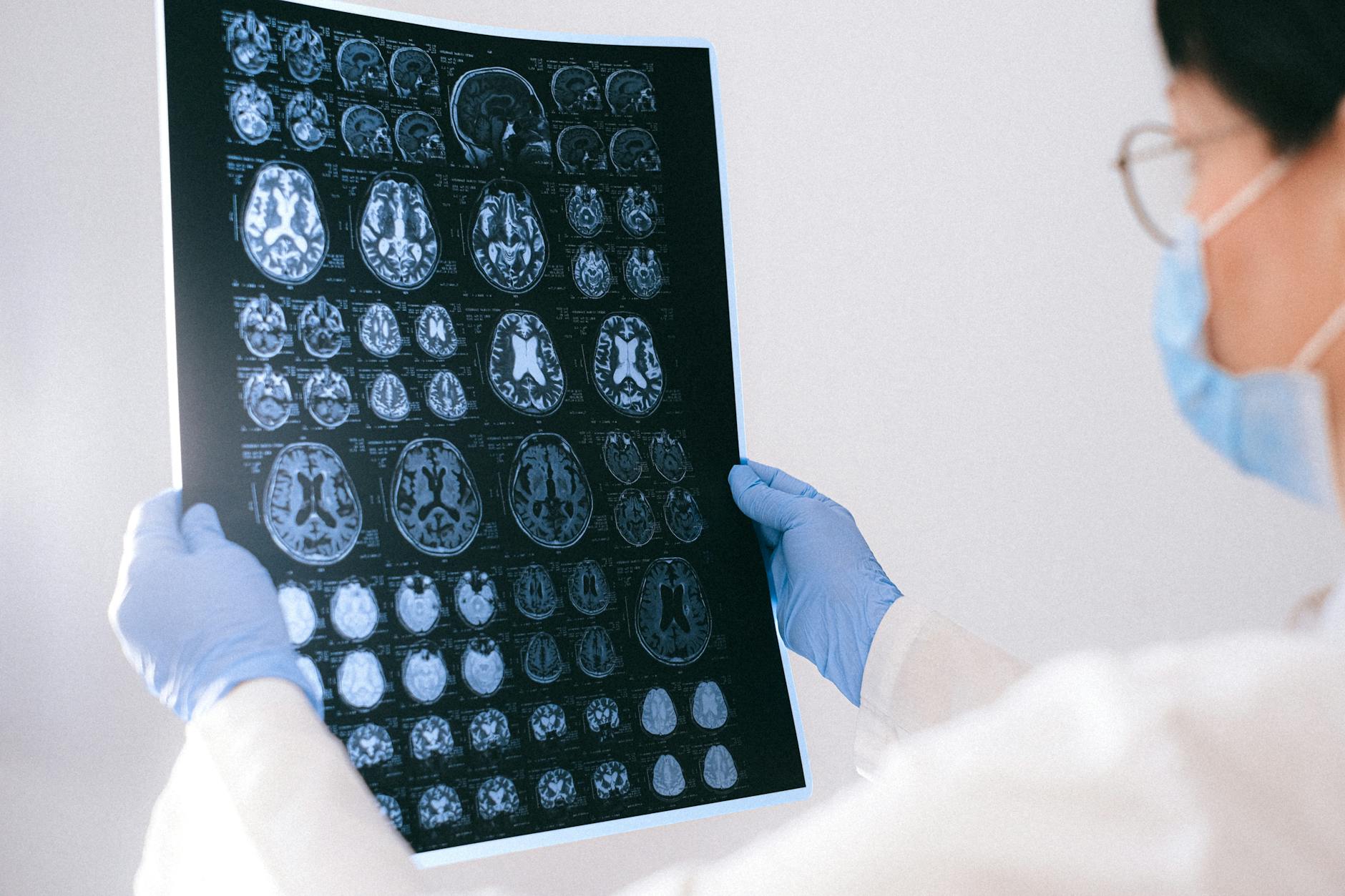
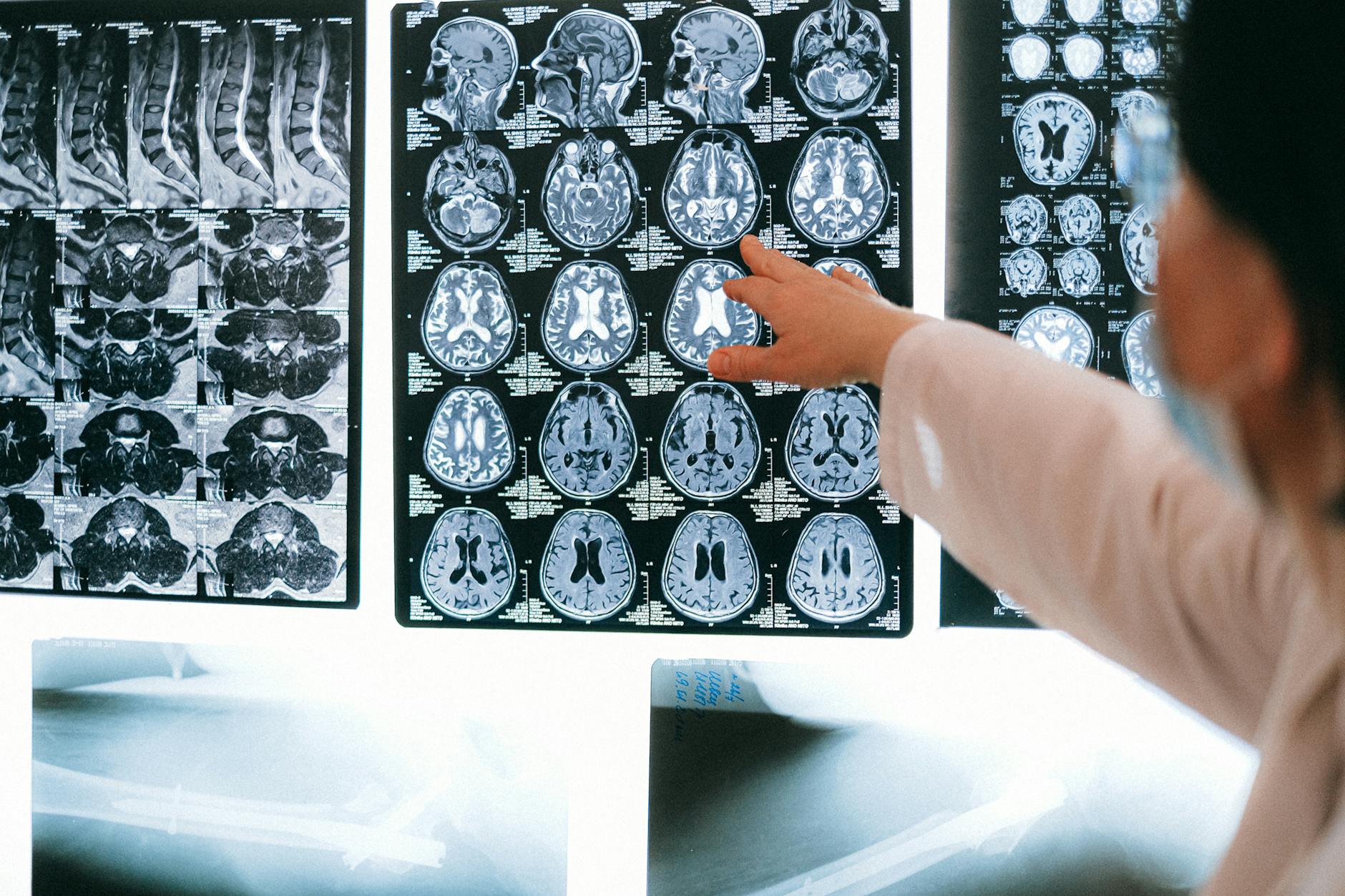
The brain rewires itself. That's neuroplasticity – the capacity to form new neural connections and reshape old ones. It sits at the center of a puzzle: how can a single tryptamine dose produce effects lasting weeks or months? Olson et al. (2018) showed that psychedelic tryptamines drive dendritic growth and synaptogenesis through 5-HT2A/TrkB/BDNF signaling cascades, with structural changes still visible at least 72 hours after one exposure. If you're tracking tryptamine science, that finding changed the conversation.
Table of Contents
- Loading...
The BDNF-TrkB Signaling Cascade
Here's the chain reaction. A tryptamine agonist hits the 5-HT2A receptor, ramping up expression of brain-derived neurotrophic factor (BDNF). BDNF binds to TrkB receptors on neuronal surfaces, kicking off the Ras-MAPK and PI3K-Akt pathways – the ones behind dendritic branching and spine formation. Olson et al. (2018) found that a single DMT exposure increased dendritic arbor complexity by approximately 40% in rat cortical neurons, with new spines showing up within 24 hours.
BDNF levels jump roughly 20-40% after acute 5-HT2A agonist exposure in rodent models. Human psilocybin trials have measured serum BDNF elevations and linked them to therapeutic outcomes. But microdoses? Still an open question. A 2025 pilot study found a trend toward increased serum BDNF after 4 weeks of psilocybin microdosing, but it didn't reach statistical significance (p=0.08, n=32). We're not there yet.
Implications for Tryptamine Research
Think of tryptamines as temporary "circuit reset switches." They seem to widen the brain's window for structural reorganization. That could explain why psilocybin trials show benefits lasting weeks to months from just 1-2 sessions – the experience opens a plasticity window where new thinking patterns can take root.
And 4-Pro-MET? No neuroplasticity data exist yet. But its active metabolite 4-HO-MET is a 5-HT2A agonist with the same receptor activation profile that triggers BDNF-TrkB signaling in studied compounds. Whether MET-series N-substitution produces different plasticity profiles than DMT-series compounds – nobody's answered that yet.
Legal Notice
Dies ist ein Beispiel-Infotext. Hier können Sie wichtige Hinweise für Ihre Leser hinterlegen.
Lab-Tested 4-Pro-MET
Quality-verified – CoA included – EU shipping
Frequently Asked Questions
Research strongly suggests yes. Olson et al. (2018) demonstrated that psychedelic tryptamines increase dendritic arbor complexity (~40%), spine density, and synaptogenesis through 5-HT2A/BDNF/TrkB signaling. Effects persist at least 72 hours after single exposure.
Brain-derived neurotrophic factor (BDNF) is a protein that promotes survival, growth, and differentiation of neurons. It is central to neuroplasticity. 5-HT2A agonists increase BDNF expression by 20-40% in rodent models, potentially opening a window for neural circuit reorganization.
No direct data exist. However, 4-Pro-MET's active metabolite 4-HO-MET is a 5-HT2A agonist that triggers the same signaling cascade (5-HT2A – BDNF – TrkB) characterized in neuroplasticity research with other tryptamines. Theoretical plausibility is high but unconfirmed.
This is an active research question. A 2025 pilot study found a trend toward increased serum BDNF after 4 weeks of psilocybin microdosing, but the result was not statistically significant. Whether sub-perceptual doses produce meaningful structural brain changes in humans remains uncertain.
Psychoplastogens are compounds that promote neuroplasticity through 5-HT2A activation. The term was coined by Olson to describe both psychedelic and non-hallucinogenic compounds with this property. Several non-hallucinogenic psychoplastogens are in clinical development as of 2026, aiming to separate neuroplasticity benefits from subjective psychedelic effects.
Recent Posts
x
Please sign in to write a comment.
More from “Research & Consciousness”
The Propionoxy Group: Stability Advantages in Tryptamine Chemistry
24.06.2026
How 4-Pro-MET Was Discovered: From Synthesis to Market
13.05.2026
Tryptamine Studies 2025/2026: Current Pharmacology Data
11.05.2026
Meditation & Tryptamines: Synergies in Research
09.05.2026
Default Mode Network & Tryptamine Influence
07.05.2026
From Albert Hofmann to 4-Pro-MET: History of Tryptamine Research
03.05.2026Latest Articles

4-Pro-MET vs 4-HO-MET: Prodrug vs Original Compared
02.07.2026
Set and Setting: Framework for Safe Tryptamine Research
30.06.2026
Ordering Research Chemicals Safely: Quality Guide
28.06.2026
Tryptamine Storage & Shelf Life: Complete Guide
26.06.2026
Toxicological Profiles of 4-Substituted Tryptamines
22.06.2026