From Albert Hofmann to 4-Pro-MET
Eight Decades of Tryptamine Discovery, Prohibition & Renaissance
Tryptaminforskingens historie begynder med en cykel. Den 19. april 1943 cyklede Albert Hofmann under indflydelse af LSD – et ergolin, strengt taget ikke et tryptamin, men gnisten for psykedelisk forskning – gennem Basel. Det, der fulgte: 80 års forskning, forbud, renæssance og udviklingen af substanser som 4-Pro-MET. Fra Hofmanns laboratorier hos Sandoz til det 21. århundredes syntetiske tryptaminer.
Indholdsfortegnelse
- Indlæser...
Pionerperioden (1938-1970)
Albert Hofmann synthesized LSD (lysergic acid diethylamide) at Sandoz Laboratories in Basel, Switzerland in 1938. Five years later came the accident that changed everything. On April 19, 1943 – now commemorated as "Bicycle Day" – Hofmann absorbed a small quantity through his skin and experienced altered perception during his ride home. LSD is a lysergamide, not a tryptamine. But Hofmann's discovery cracked open the door to systematic psychedelic research.
Tryptamines came next. In 1958, Hofmann synthesized psilocybin and psilocin from Psilocybe mexicana mushrooms. By 1960, he'd determined their chemical structures and developed synthetic production methods. These discoveries put 4-substituted tryptamines on the map alongside lysergamides and phenethylamines. And the research boom that followed was staggering: between 1950 and 1970, approximately 1,000 scientific papers were published on psychedelic tryptamines, and an estimated 40,000 patients received psilocybin or LSD in therapeutic settings.
Schritt 1
Schritt 1
Beschreibung...
Schritt 2
Schritt 2
Beschreibung...
Schritt 3
Schritt 3
Beschreibung...
Forbudsperioden og Alexander Shulgin (1970-2000)
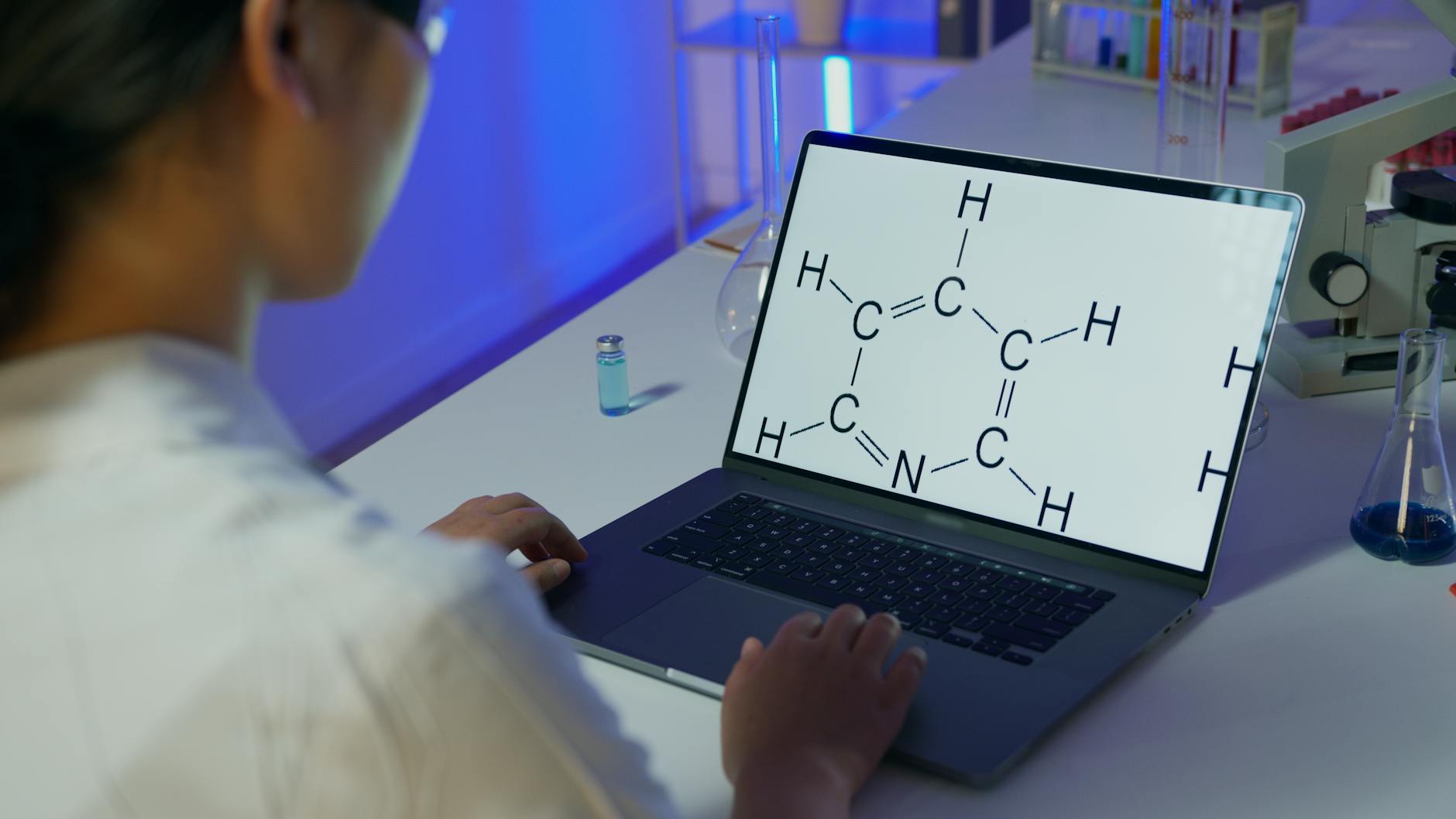
Alexander 'Sasha' Shulgin (1925–2014) bragte Hofmanns arbejde op på et systematisk niveau. I sit privatlaboratorium i Californien syntetiserede og testede han hundredvis af phenylethaminer og tryptaminer – herunder 4-HO-MET, den aktive metabolit af 4-Pro-MET.
TiHKAL (1997) dokumenterede 55 tryptaminer med syntesevejledninger og selvforsøgsprotokller. Om 4-HO-MET (indgang #21) skrev Shulgin: 'Qualitatively a lot like psilocin. I started within the first half-hour, and at the max, I felt the same alteration of color and form' – dosis 10–20 mg, varighed 4–6 timer.
Hans tilgang var simpel og genial: ændre én variabel (f.eks. N-substitutionen), holde resten konstant, dokumentere virkning. Det lagde grundlaget for moderne struktur-virkningsforskning (SAR) ved tryptaminer. 4-Pro-MET står i denne tradition: Det varierer esteren i position 4 (propionyloxy i stedet for acetyloxy) ved samme N-methyl-N-ethyl-mønster.
FN-konventionen om psykotrope stoffer (1971) og national lovgivning bragte den psykedeliske forskning til et stop i tre årtier. Psilocybin, DMT og beslægtede tryptaminer blev internationalt kontrolleret. I mange lande: psilocybin på Bilag I (ikke omsætteligt).
Mellem 1975 og 2000 blev der på verdensplan publiceret færre end 10 kliniske studier om psilocybin. Shulgins arbejde i sit privatlaboratorium var en af få undtagelser – han arbejdede med en DEA-licens. I denne periode lå tryptaminforskningen brak. En 'tabt generation' inden for neurovidenskab.
The modern psychedelic renaissance began in 2006 when Roland Griffiths' team at Johns Hopkins published their landmark psilocybin study – demonstrating its ability to occasion mystical-type experiences with lasting positive effects. Clinical trials followed fast: by 2026, over 15 Phase II/III trials are active or completed for psilocybin alone, targeting treatment-resistant depression, PTSD, alcohol use disorder, and end-of-life anxiety.
The research chemical market expanded in parallel. 4-HO-MET appeared as a designer substance around 2008, 4-AcO-MET and 4-AcO-DMT gained popularity through the mid-2010s, and 4-Pro-MET emerged in August/September 2025 as the latest iteration of the 4-substituted tryptamine prodrug strategy. Each compound applies Shulgin's foundational chemistry to generate legal variants with predictable pharmacological profiles.
Juridisk meddelelse
Dies ist ein Beispiel-Infotext. Hier können Sie wichtige Hinweise für Ihre Leser hinterlegen.
Lab-Tested 4-Pro-MET
Quality-verified – CoA included – EU shipping
Frequently Asked Questions
4-Pro-MET's specific originator is unknown. The compound applies established prodrug chemistry (propionyloxy ester) to 4-HO-MET, which was first synthesized by Alexander Shulgin in the 1970s. 4-Pro-MET first appeared in the European research chemical market in August/September 2025.
TiHKAL (Tryptamines I Have Known And Loved) is Alexander Shulgin's 1997 book documenting 55 tryptamine compounds with synthesis routes, dosages, and detailed personal bioassay notes. It includes 4-HO-MET (entry #21, the active metabolite of 4-Pro-MET) but not 4-Pro-MET itself. TiHKAL remains a foundational reference for tryptamine chemistry.
The modern renaissance is generally dated to 2006, when Griffiths et al. at Johns Hopkins published their landmark psilocybin study. Since then, clinical trials have expanded exponentially: as of 2026, over 15 Phase II/III psilocybin trials are active or completed.
4-Pro-MET represents the latest generation of 4-substituted tryptamine prodrugs – a concept established by nature (psilocybin), formalized by Shulgin (4-AcO compounds), and extended to propionyloxy esters in the 2020s. It combines Shulgin's 4-HO-MET pharmacology with enhanced chemical stability through a longer ester chain.
In TiHKAL, Shulgin described 4-HO-MET (10-20 mg oral) as 'qualitatively a lot like psilocin' with wave-like effects and altered perception of color and form. He noted it initially seemed more potent than psilocin but suspected they would be indistinguishable in blind testing.
Aktuelle Beiträge
-
 03.05.2026
 -
 01.05.2026
 -
 29.04.2026
 -
 27.04.2026
 -

x
Please sign in to write a comment.