
4-Pro-MET vs Psilocybin
Synthetic Research Chemical vs Natural Mushroom Alkaloid – Complete Comparison
Syntetisk design mod naturlig forekomst – 4-Pro-MET og psilocybin repræsenterer to veje i tryptaminforskningen. Begge er prodrugs. 4-Pro-MET metaboliseres til 4-HO-MET (metocin), psilocybin til psilocin (4-HO-DMT). De aktive metabolitter deler den samme tryptaminkerne, men adskiller sig i N-substitutionen: methyl-ethyl ved 4-HO-MET, dimethyl ved psilocin. Her sammenligner vi kemi, farmakologi, retlig status og forskningstilstand for begge stoffer – baseret på Glatfelter et al. (2023), Shulgins TiHKAL og aktuelle kliniske psilocybindata.
Indholdsfortegnelse
- Indlæser...
4-Pro-MET vs. psilocybin: Direkte sammenligning
|
4-Pro-MET
Empfohlen |
Psilocybin | |
|---|---|---|
| Active Metabolite | 4-HO-MET (metocin) | Psilocin (4-HO-DMT) |
| N-Substitution | N-methyl-N-ethyl (asymmetric) | N,N-dimethyl (symmetric) |
| Headspace Character | Clear, visual, playful | Deep, introspective, emotional |
| Clinical Evidence | None (novel compound) | 15+ Phase II/III trials |
| Legal Status (DE) | Not scheduled (April 2026) | BtMG Anlage I (illegal) |
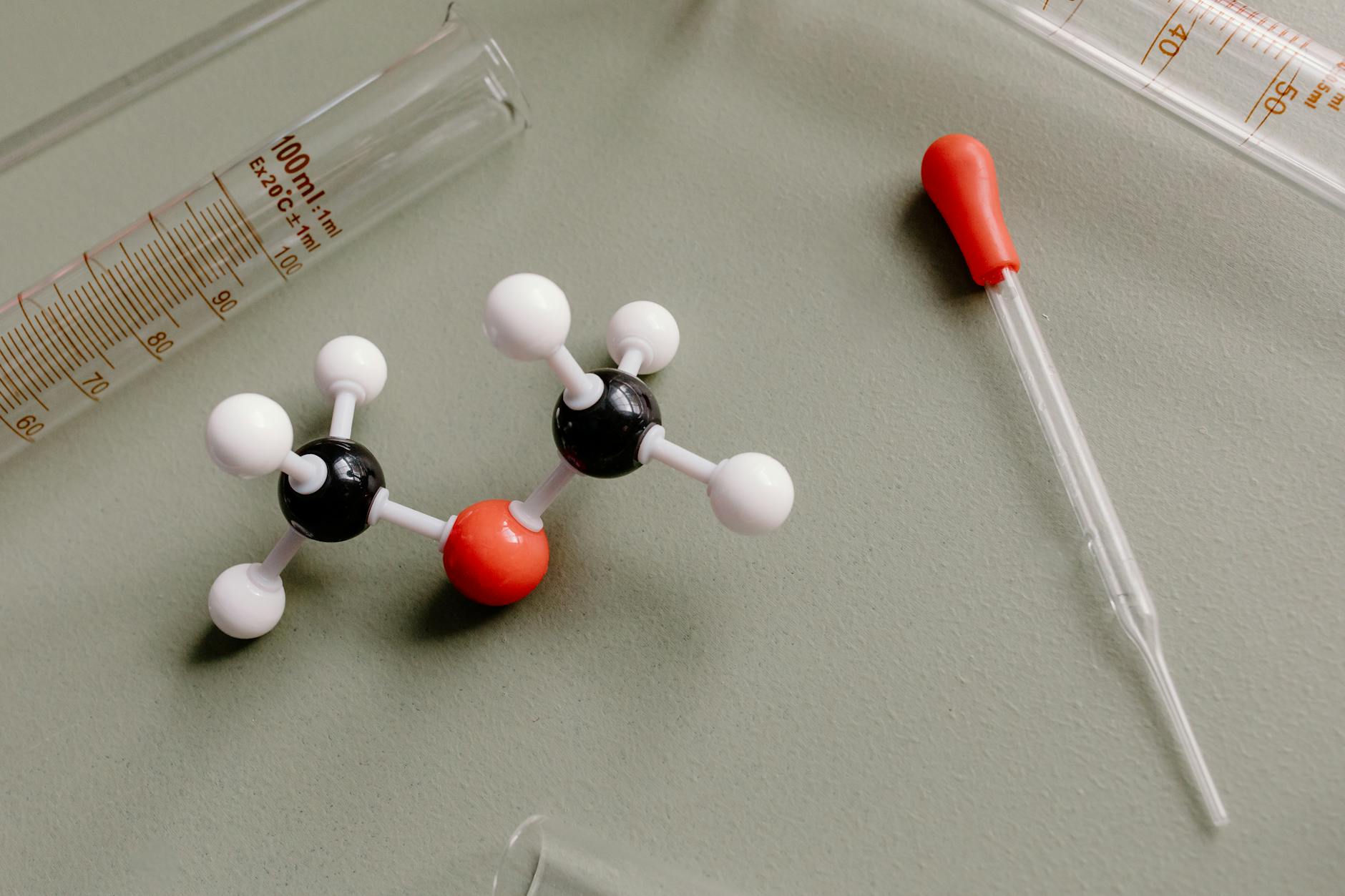
<p style='font-size:1.05rem;color:#444;line-height:1.8;'>Begge hører til familien af 4-substituerede tryptaminer. Begge er prodrugs – de aktiveres først i kroppen til virkstoffen. Men de kemiske detaljer? De adskiller sig markant.</p><h3>4-Pro-MET (syntetisk)</h3><ul style='font-size:1.05rem;color:#444;line-height:1.8;'><li><strong>Systematisk:</strong> 4-Propionyloxy-N-methyl-N-ethyltryptamin</li><li><strong>Sumformel:</strong> C15H20N2O2 (274,4 g/mol)</li><li><strong>Beskyttelsesgruppe:</strong> Propionyloxy-ester i position 4</li><li><strong>Aktiv metabolit:</strong> 4-HO-MET (metocin) – N-methyl-N-ethyl</li><li><strong>Oprindelse:</strong> Rent syntetisk, første gang tilgængeligt som forskemikali i 2025</li></ul><h3>Psilocybin (naturligt)</h3><ul style='font-size:1.05rem;color:#444;line-height:1.8;'><li><strong>Systematisk:</strong> 4-Phosphoryloxy-N,N-dimethyltryptamin</li><li><strong>Sumformel:</strong> C12H17N2O4P (284,3 g/mol)</li><li><strong>Beskyttelsesgruppe:</strong> Phosphoryloxy-ester i position 4</li><li><strong>Aktiv metabolit:</strong> Psilocin (4-HO-DMT) – N,N-dimethyl</li><li><strong>Oprindelse:</strong> Naturligt i over 200 svampearter; også syntetisk fremstilleligt (Albert Hofmann isolerede det i 1958)</li></ul><p style='font-size:1.05rem;color:#444;line-height:1.8;'>Nøgleforskellen sidder ved det terminale kvælstof. 4-HO-MET bærer en asymmetrisk N-methyl-N-ethyl-gruppe, psilocin en symmetrisk N,N-dimethyl-gruppe. Det lyder som en detalje – men har målbare konsekvenser for receptorbindingsprofiler, subjektive effekter og metaboliske egenskaber. Community-rapporter beskriver 4-HO-MET som 'visuelt mere intenst og kognitivt klarere' end psilocin. Shulgin bekræftede dette delvist i TiHKAL.</p>
Both are prodrugs of 4-hydroxytryptamines, but they yield different active metabolites at the nitrogen position. 4-Pro-MET converts to 4-HO-MET (N-methyl-N-ethyl). Psilocybin converts to psilocin/4-HO-DMT (N,N-dimethyl). One structural difference – asymmetric vs. symmetric N-substitution – and it produces distinct subjective profiles.
Community researchers consistently call the MET-series experience "more visual, less headspace" relative to psilocybin. 4-HO-MET brings sharp geometric visuals, color enhancement with "artificial saturation," and a clear, playful cognitive state where ego function stays intact. Psilocybin/psilocin goes the other direction: organic, flowing visuals with deeper introspection, stronger emotional processing, and more pronounced ego dissolution at higher doses.
Shulgin put it well in TiHKAL – 4-HO-MET was "qualitatively a lot like psilocin" but likely distinguishable in blind testing. A nuanced take that holds up. And the body load? 4-Pro-MET / 4-HO-MET is consistently described as lighter than psilocybin mushrooms, possibly because synthetic compounds lack the other alkaloids present in mushroom preparations.
<p style='font-size:1.05rem;color:#444;line-height:1.8;'>Begge anvender en beskyttelsesgruppe, der enzymatisk spaltes i kroppen. Men mekanismerne bag er grundlæggende forskellige.</p><h3>4-Pro-MET: Esterasehydrolyse</h3><p style='font-size:1.05rem;color:#444;line-height:1.8;'>Esteraser spalter propionyloxy-gruppen. Som biprodukt dannes propionsyre – en naturligt forekommende kortkædet fedtsyre. Hydrolysehastigheden afhænger af kædelængde og esteraseaktivitet. Glatfelter et al. (2023) viste for det beslægtede 4-PrO-DMT: Propionyloxy-varianter hydrolyseres langsommere end acetyloxy-varianter. Mere sterisk hindring, langsommere enzymkinetik.</p><h3>Psilocybin: Phosphatasehydrolyse</h3><p style='font-size:1.05rem;color:#444;line-height:1.8;'>Her spalter alkalisk phosphatase phosphoryloxy-gruppen. Biprodukt: uorganisk phosphat, en normal bestanddel af cellestofskiftet. Biokemisk er denne proces velforstået og forløber effektivt – mennesket har høj phosphataseaktivitet. Onset på 20–40 minutter oralt taler for en hurtig dephosphorylering.</p><p style='font-size:1.05rem;color:#444;line-height:1.8;'><strong>Hvorfor det tæller for forskningen:</strong> Ester vs. phosphat – denne sammenligning er farmaceutisk interessant. Phosphat-prodrugs anses for mere stabile mod spontan hydrolyse, men kræver specifikke enzymer. Ester-prodrugs som 4-Pro-MET tilbyder flere justeringsmuligheder: Kædelængden af esteren kan optimeres målrettet.</p>
This is the biggest gap between the two. Psilocybin has been administered to over 2,000 participants across 15+ clinical trials, with established safety profiles, known LD50 values (~280 mg/kg rat oral), and documented therapeutic efficacy for treatment-resistant depression, end-of-life anxiety, and alcohol use disorder. 4-Pro-MET? Zero clinical data. No LD50. No controlled human studies.
That evidence asymmetry can't be overstated. Shared tryptamine pharmacology does suggest some degree of safety profile overlap, but equating the safety of a well-characterized clinical compound with a novel research chemical available for less than a year would be scientifically irresponsible. Full stop.
Juridisk meddelelse
Dies ist ein Beispiel-Infotext. Hier können Sie wichtige Hinweise für Ihre Leser hinterlegen.
Explore 4-Pro-MET Research Chemical
Lab-tested – Legal in Germany (2026) – EU shipping
FAQ: 4-Pro-MET vs Psilocybin
Not directly comparable. Both produce effects at similar milligram ranges (10-25 mg for synthetics, 10-25 mg psilocybin content in 1.5-3.5g dried mushrooms). The character differs: 4-Pro-MET is described as more visual with clearer headspace, while psilocybin is more introspective and emotionally deep.
No such conclusion can be drawn. Psilocybin has extensive clinical safety data from 15+ trials and 2,000+ participants. 4-Pro-MET has zero clinical data. While shared pharmacology suggests possible similarity, the safety profiles cannot be equated without direct testing.
The primary practical reasons are legal availability (4-Pro-MET is not scheduled in Germany, psilocybin is BtMG Anlage I), consistent dosing (synthetic compound vs variable mushroom potency), and superior chemical stability. Psilocybin has far more safety evidence.
Yes. Both active metabolites (4-HO-MET and psilocin) are 5-HT2A agonists. Using either compound produces cross-tolerance to the other for approximately 7-14 days due to shared receptor downregulation mechanisms.
Community reports consistently describe 4-Pro-MET / 4-HO-MET as having lower body load than psilocybin mushrooms. This may be because synthetic compounds lack the other alkaloids, chitin, and compounds present in mushroom preparations that may contribute to gastrointestinal discomfort.
Aktuelle Beiträge
-
 02.07.2026
 -
 30.06.2026
 -
 28.06.2026
 -
-
 24.06.2026
x
Please sign in to write a comment.
More from “Sammenligninger & Alternativer”




Latest Articles
Set og setting: Forskningskontekst
30.06.2026Bestil forskningskemikalier sikkert
28.06.2026Opbevaring af tryptaminer: Regler og betingelser
26.06.2026Propionoxy-gruppen: Molekylaer stabilitet
24.06.2026
Toksikologiske profiler af 4-substituerede tryptaminer
22.06.2026