
Meditation & Tryptamine Synergies
How Mindfulness Practices and Serotonergic Compounds May Complement Each Other
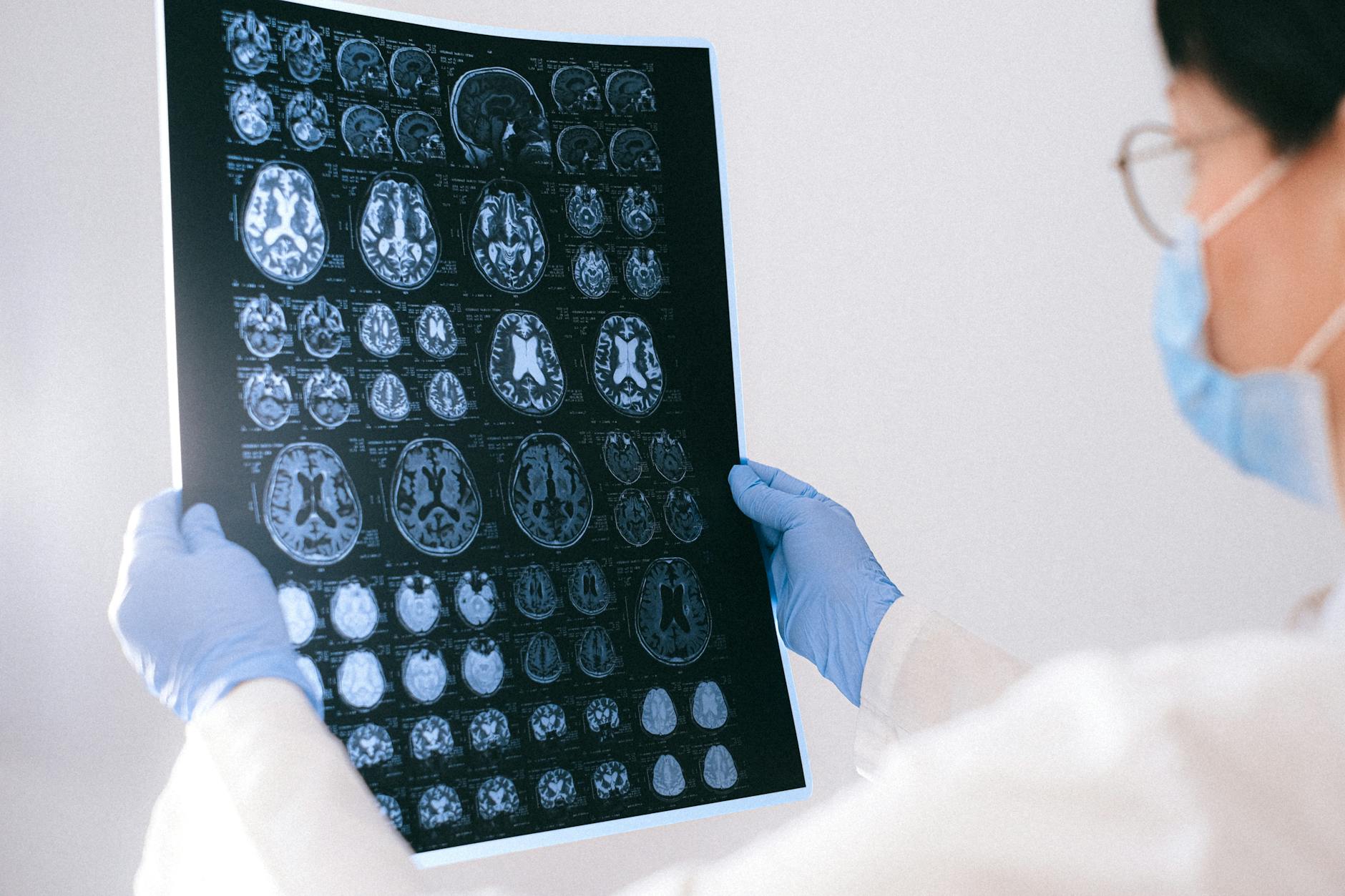
Meditation and tryptamines work on the same wiring. Both quiet the Default Mode Network, promote neuroplasticity, and sharpen metacognitive awareness. But here's what makes it interesting: they might amplify each other. Meditation could deepen tryptamine-facilitated insights, while tryptamines could fast-track the neural changes that meditation builds over months or years. A 2023 study in Scientific Reports found that experienced meditators showed enhanced neuroplasticity markers compared to non-meditators after identical psilocybin doses.
Table of Contents
- Loading...
Shared Neural Mechanisms
Same targets, different paths. Long-term meditation (>10,000 hours) produces measurable drops in DMN activity and connectivity – the same networks tryptamines disrupt acutely through 5-HT2A activation. Experienced meditators show thicker prefrontal cortex, stronger functional connectivity between attention networks, and higher baseline BDNF levels. These changes mirror what tryptamines do in a single session.
The difference? Speed. Meditation gets there gradually through repeated practice; tryptamines get there acutely through pharmacology. Combine both and you might get something neither achieves alone – the plasticity window tryptamines open, paired with the trained attention a meditator brings to actually use it.
Research on Combined Practices
The numbers back this up. A 2023 study in Scientific Reports (n=89) gave psilocybin to participants with varying meditation backgrounds. Experienced meditators showed: (1) more consistent positive outcomes, (2) less anxiety during onset, (3) stronger mystical-type experiences, and (4) greater neuroplasticity marker increases (serum BDNF) compared to meditation-naive participants on identical doses. Meditation seems to protect and enhance at the same time.
Community reports point the same way. About 55% of microdosers who also meditate say microdosing deepens their sessions and makes settling in easier. And 60% report that meditation improves how they integrate microdosing effects. Self-reported data, yes – you can't rule out expectation bias. But the consistency is hard to ignore.
Legal Notice
Dies ist ein Beispiel-Infotext. Hier können Sie wichtige Hinweise für Ihre Leser hinterlegen.
Lab-Tested 4-Pro-MET
Quality-verified – CoA included – EU shipping
Frequently Asked Questions
Research suggests yes. A 2023 study found that experienced meditators showed more consistent positive outcomes, reduced anxiety, enhanced mystical experiences, and greater neuroplasticity markers after psilocybin compared to non-meditators. Meditation appears to serve as both a protective and enhancing factor.
Community reports suggest potential synergy: 55% of microdosers who meditate report enhanced meditation depth and ease on dosing days. However, these are self-reported and subject to expectation effects. No controlled studies have examined this specific combination.
Both reduce DMN activity and connectivity, promote neuroplasticity through BDNF signaling, and enhance metacognitive awareness. Meditation achieves these changes gradually through repeated practice; tryptamines produce them acutely through 5-HT2A receptor activation.
Meditation during a tryptamine experience is generally considered safe and is actively encouraged in clinical trial protocols (Johns Hopkins uses guided mindfulness). However, for individuals prone to dissociation, deep meditation during peak tryptamine effects could theoretically be destabilizing.
They operate through different mechanisms despite shared targets. Long-term meditation builds attentional capacity and equanimity gradually. Tryptamines produce acute neuroplasticity windows. The research suggests they are complementary rather than interchangeable – neither fully substitutes for the other.
Recent Posts
x
Please sign in to write a comment.
More from “Research & Consciousness”
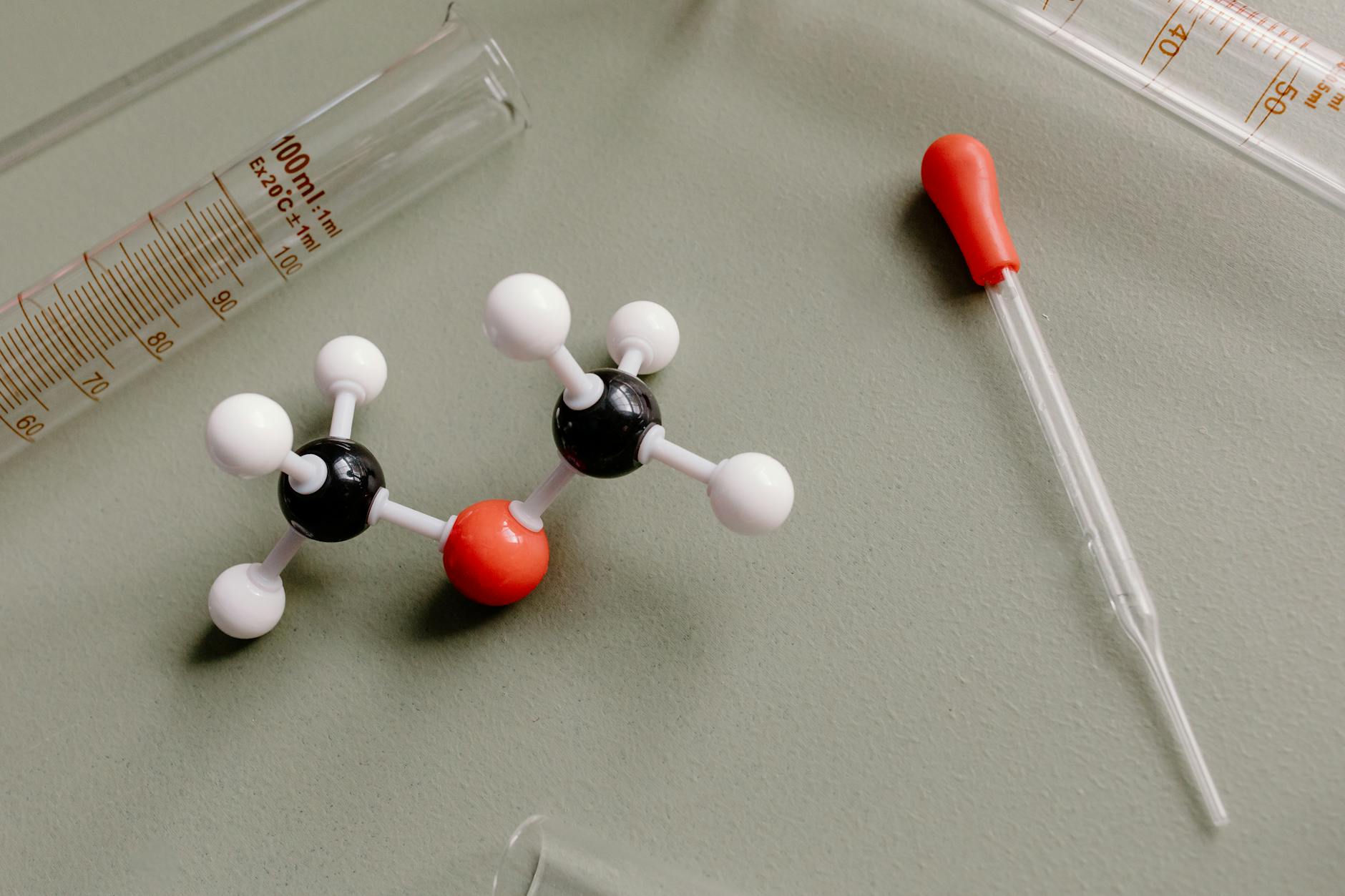
The Propionoxy Group: Stability Advantages in Tryptamine Chemistry
24.06.2026
How 4-Pro-MET Was Discovered: From Synthesis to Market
13.05.2026
Tryptamine Studies 2025/2026: Current Pharmacology Data
11.05.2026
Default Mode Network & Tryptamine Influence
07.05.2026
Neuroplasticity & Tryptamines: Current Research Models
05.05.2026
From Albert Hofmann to 4-Pro-MET: History of Tryptamine Research
03.05.2026Latest Articles

4-Pro-MET vs 4-HO-MET: Prodrug vs Original Compared
02.07.2026
Set and Setting: Framework for Safe Tryptamine Research
30.06.2026
Ordering Research Chemicals Safely: Quality Guide
28.06.2026
Tryptamine Storage & Shelf Life: Complete Guide
26.06.2026
Toxicological Profiles of 4-Substituted Tryptamines
22.06.2026